 English
 Deutsch
 español
 français
 italiano

-
Newest

Light salmon roll
Omelette with cherry tomatoes and cheese
Rice sponge cake
Spaghetti with shrimps in creamy garlic sauce
Cabbage with champignons
Beef Stroganoff with Mushrooms and Cream


Viennese Easter cake


Easter cake is one of the main attributes of the ancient bright holiday - Easter. The peculiarity of Viennese cakes is that the dough is prepared in advance, in the evening, and the product from it turns out tasty and does not go stale for a long time. Raisins are put into the dough as a filling. You can also add candied fruits and nuts. Everything depends on individual preferences. Easter cakes are a favorite delicacy on the Easter table. The recipe will not cause difficulties in execution if you follow it step by step.
How to cook Viennese Easter cake
Step 1

Prepare the dough. To do this, beat the eggs with sugar in a bowl. Gradually add the butter, stirring constantly. In a separate bowl, slightly warm the milk and add the yeast. Add the milk and yeast to the egg mixture and mix thoroughly. Cover the dough with a clean towel and leave in a warm place for 8-10 hours.
Step 2
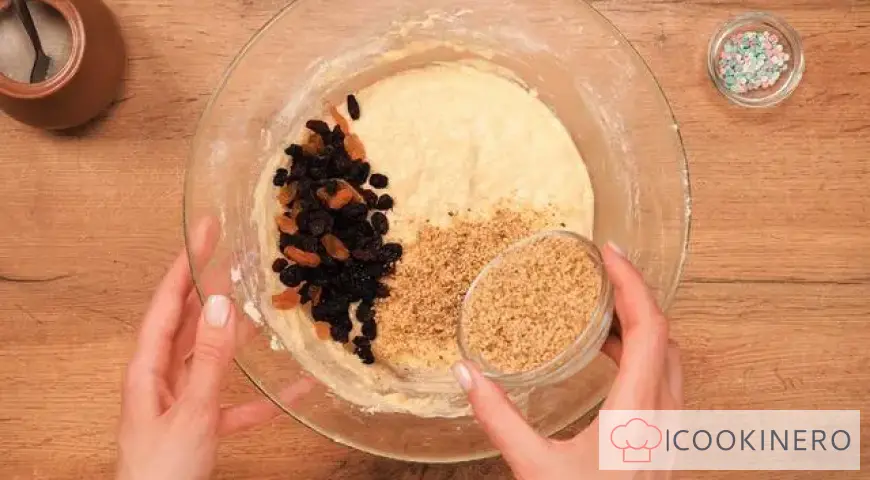
Knead the dough. Add salt to the ready dough, stir, then gradually add flour and knead the dough. Then add raisins, walnuts to the dough and knead thoroughly.
Step 3
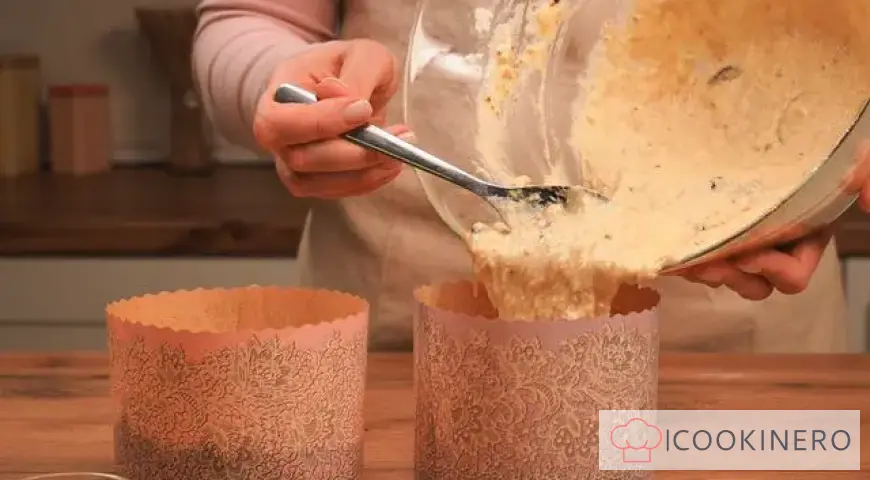
Place the Viennese dough for Easter cakes into the molds. Grease the molds with butter and fill them with dough to 1/3 of their volume. Leave in a warm place for another 1-2 hours for the dough to rise again.
Step 4
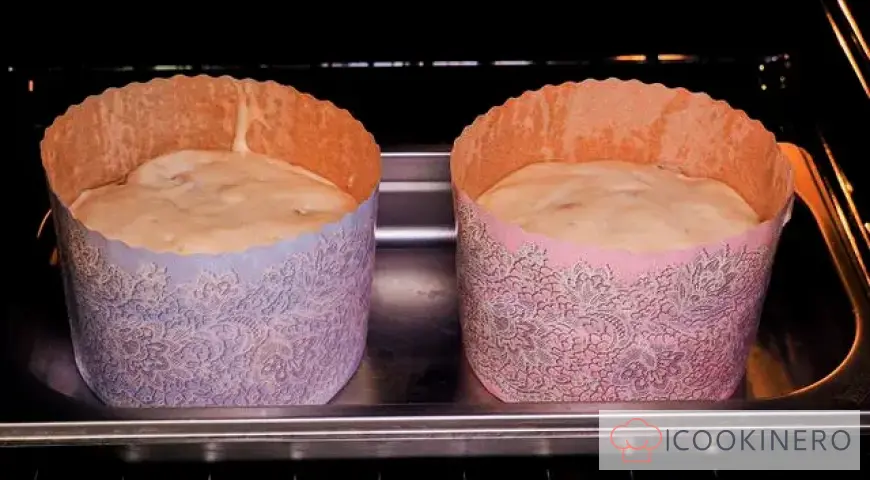
Bake the Easter cakes. Place the forms with the dough in the oven preheated to 180 degrees and bake for 40-50 minutes. Remove the finished Easter cakes from the oven and let them cool.
Viennese Easter cake - FAQ About Ingredients, Baking Time and Storage
Reviews: 0
0 Overall ratingHave you already prepared this recipe? Tell what you think.
Write a review
Trending


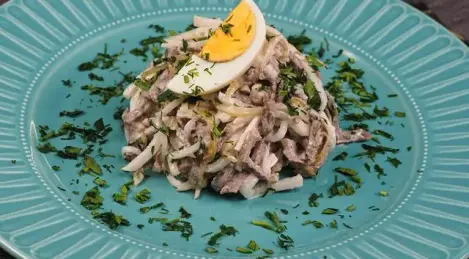
Tashkent Salad with Radish
The recipe for a salad with radish and beef is called "Tashkent". The root vegetable is popular in Uzbekistan. It is used to make a variety of salads, appetizers and even lagman. The Tashkent salad is an excellent option for a simple and he
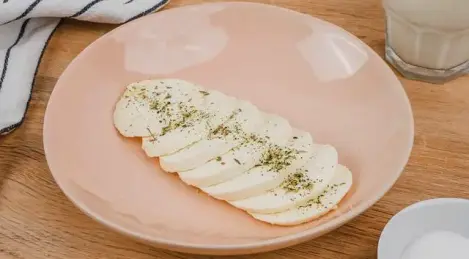
Adyghe cheese at home
Adyghe cheese is soft and tender. Moderately salty, aromatic and dense. You can cook many dishes of Caucasian cuisine with this cheese. You can also make this cheese at home, and do it without much difficulty.

Azu in Tatar style
Azu is a Tatar dish that gained popularity in Soviet times. Traditionally, azu is made from lamb or beef, with onions, potatoes and pickles added. Everything is cut into strips and stewed in tomato sauce.

Hearty sandwich with Vienna sausages
We tell you how to make an unusual and very filling filling for a sandwich. We used Viennese sausages as a basis. They are the best choice, as they do not have much fat. And to complete the taste, we added a boiled egg and lecho. All that remains is