 English
 Deutsch
 español
 français
 italiano

-
Newest

Light salmon roll
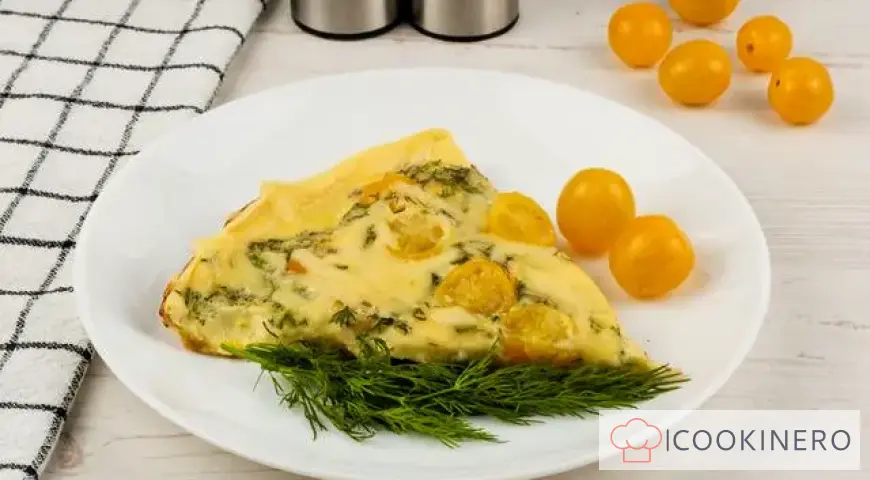
Omelette with cherry tomatoes and cheese
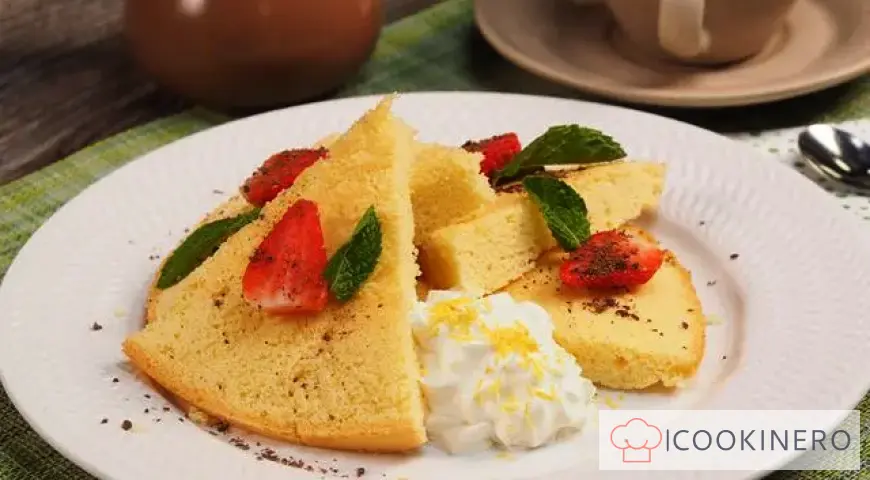
Rice sponge cake
Spaghetti with shrimps in creamy garlic sauce
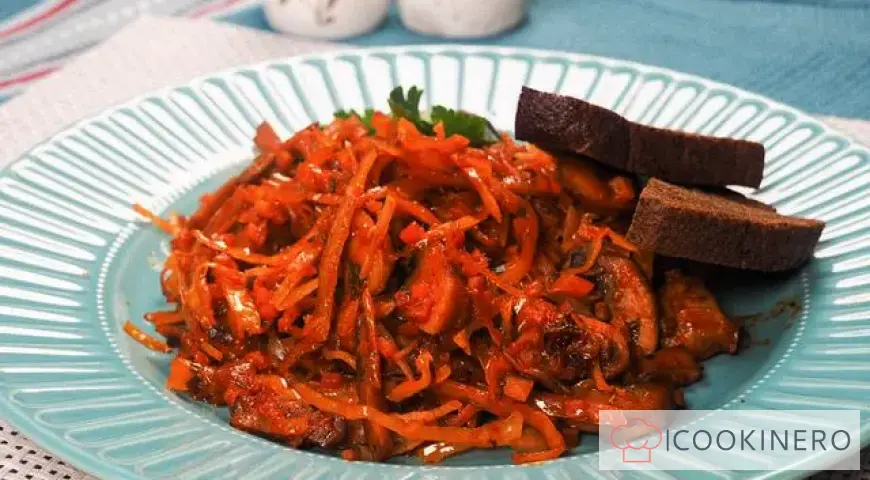
Cabbage with champignons
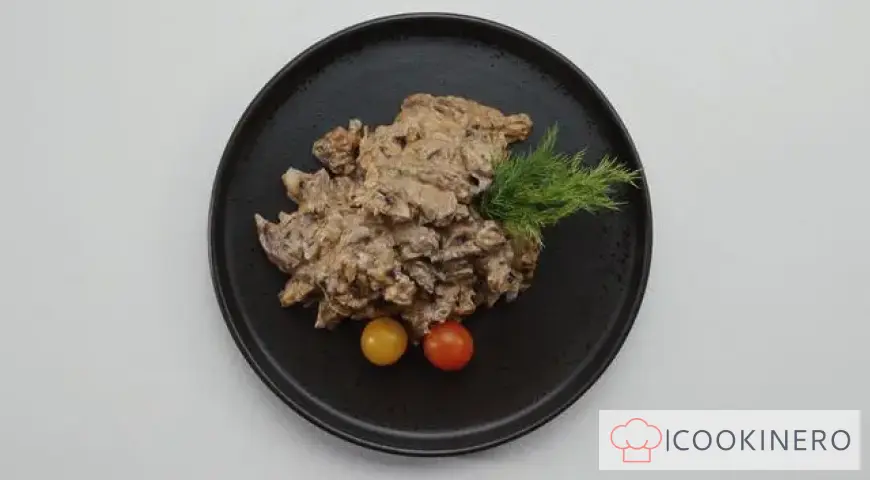
Beef Stroganoff with Mushrooms and Cream


Easter cake


Kulich is the most ancient ritual food for Easter. In Rus', it was believed that if the Easter cake was a success, then everything would be fine in the family all year.
How to cook Easter cake
Step 1
Prepare steam. To do this, pour the yeast with 100 ml of warm water, add 1 tsp. sugar and set aside for 10 minutes. for the fermentation process. In warm milk, add salt, prepared yeast, 1 tbsp. l. sugar and about half of the sifted flour. Knead the dough until the state of thick sour cream. Put the dough in a warm place without drafts for 2 hours.
Step 2
Mix the remaining flour and sugar, eggs, vanilla essence into the dough. While kneading the dough, add soft butter last. The dough should have a uniform consistency, be elastic and lag behind the hands. Roll the dried apricots cut into cubes in a small amount of flour and knead into the dough. Put the dough for fermentation for 1 hour in a warm place. Then punch it down and let it rise again.
Step 3
Divide into balls, transfer to molds, greased with oil. Bake in preheated oven for about 20 minutes. at 180°C. Remove the cakes from the oven, let them cool at room temperature, cover with icing and sprinkles. Serve with fresh berries and mint.
Reviews: 0
0 Overall ratingHave you already prepared this recipe? Tell what you think.
Write a review
Trending

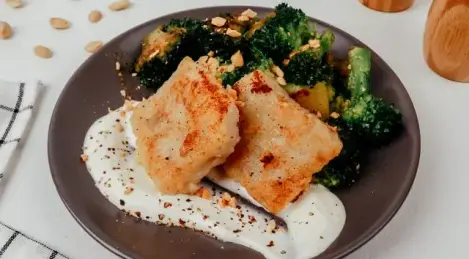
Fried pollock with broccoli
Pollock is one of the most popular fish in dietary cuisine. Pollock fillet contains many useful elements, vitamins, phosphorus and is low in calories. Broccoli and pollock go well together. For maximum benefit and to preserve the beneficial propertie

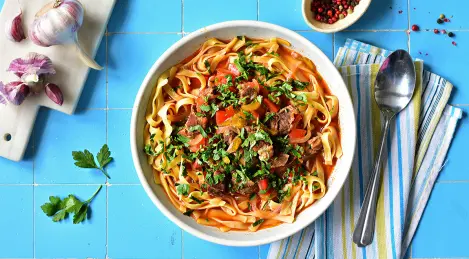
Funchoza with pork
Funchoza with pork is a Korean dish that is prepared very quickly from glass noodles with meat, vegetables, soy sauce and spices. Funchoza with pork is spicy and aromatic. The noodles become transparent during cooking and absorb not only the taste an
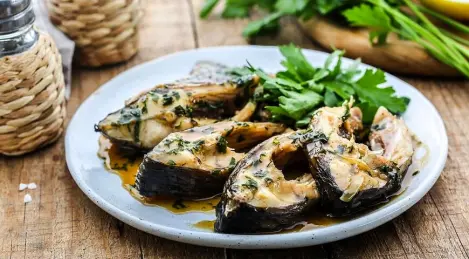

Azu in Tatar style
Azu is a Tatar dish that gained popularity in Soviet times. Traditionally, azu is made from lamb or beef, with onions, potatoes and pickles added. Everything is cut into strips and stewed in tomato sauce.