 English
 Deutsch
 español
 français
 italiano

-
Newest

Light salmon roll
Omelette with cherry tomatoes and cheese
Rice sponge cake
Spaghetti with shrimps in creamy garlic sauce
Cabbage with champignons
Beef Stroganoff with Mushrooms and Cream

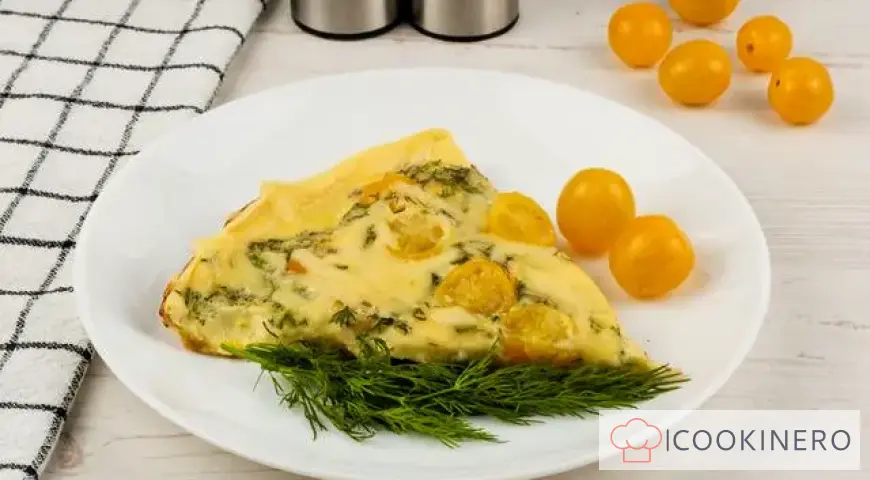
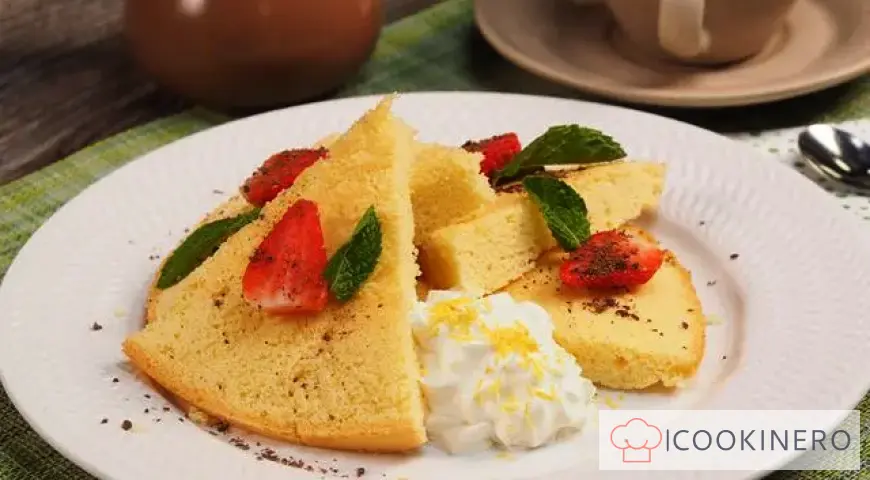

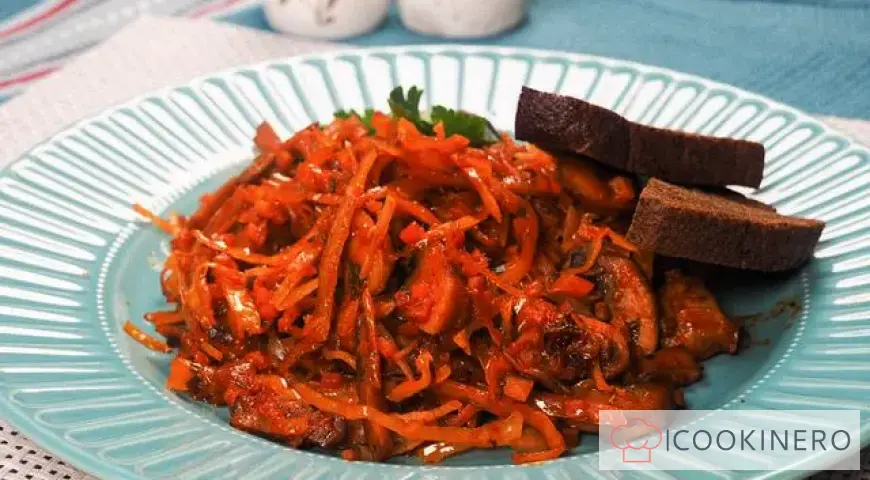
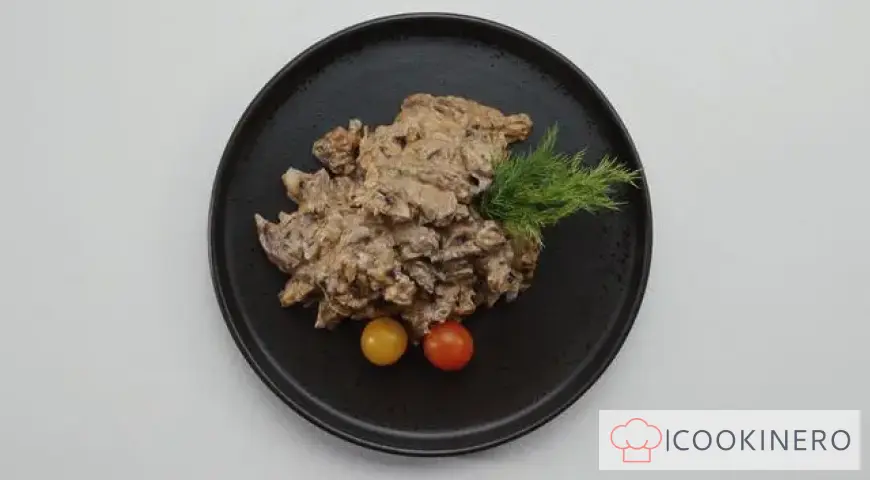
Sepik with bran and hemp seeds, served with sprat and egg


This is a traditional Estonian bread with bran, made from wheat (most often peeled) and rye flour. It is noble in itself, and if it is served with the right sprat, then you are guaranteed a 100% taste of Estonia.
How to cook Sepik with bran and hemp seeds, served with sprat and egg
Step 1
For dough, crush the crumbled yeast with sugar. Add 620 ml of room temperature water mixed with salt. Leave in a warm place for 10 minutes.
Step 2
Mix the dough with all the sifted flour, bran, seeds and vegetable oil. Knead the dough and leave in a warm place for 20 minutes.
Step 3
Mix the ingredients for the marinade. Pickle the onion, leave until use. Boil eggs, remove from heat. Fill with cold water, clean.
Step 4
Grease a heat-resistant rectangular shape with melted butter, sprinkle with semolina, shake off the excess. Lay out the dough. Leave to proof in an oven preheated to 37°C for 15 minutes. Take out the form.
Step 5
Preheat oven to 180°C, sprinkle generously with water. Bake 15 min. Raise the temperature to 200°C and bake for another 10 minutes. Remove the mold and remove the bread from it while still hot. Leave on wire rack until use.
Step 6
Cut the bread into medium pieces. Lubricate them with butter. Spread the sprat, eggs and chopped onion. Serve.
Reviews: 0
0 Overall ratingHave you already prepared this recipe? Tell what you think.
Write a review
Trending

Hearty sandwich with Vienna sausages
We tell you how to make an unusual and very filling filling for a sandwich. We used Viennese sausages as a basis. They are the best choice, as they do not have much fat. And to complete the taste, we added a boiled egg and lecho. All that remains is



Azerbaijani kutabs
Kutaby (or gutaby) is a traditional Azerbaijani snack, a thin pie with a filling of ground beef or lamb with the addition of lamb fat. Onions, herbs, cheese, and sometimes even pumpkin are also used for the filling of kutaby. Kutaby are fried in a dr
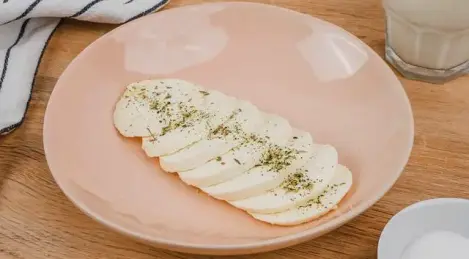
Adyghe cheese at home
Adyghe cheese is soft and tender. Moderately salty, aromatic and dense. You can cook many dishes of Caucasian cuisine with this cheese. You can also make this cheese at home, and do it without much difficulty.


Funchoza with pork
Funchoza with pork is a Korean dish that is prepared very quickly from glass noodles with meat, vegetables, soy sauce and spices. Funchoza with pork is spicy and aromatic. The noodles become transparent during cooking and absorb not only the taste an