 English
 Deutsch
 español
 français
 italiano

-
Newest

Light salmon roll
Omelette with cherry tomatoes and cheese
Rice sponge cake
Spaghetti with shrimps in creamy garlic sauce
Cabbage with champignons
Beef Stroganoff with Mushrooms and Cream





Apricot jam slices

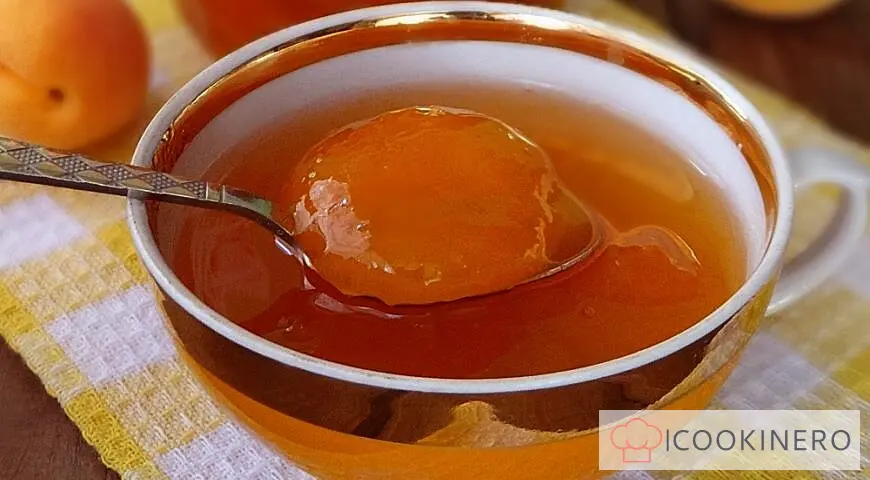
Apricot jam in slices pleases the eye with an amber, summer-like sunny color, and also gives an unforgettable taste experience even to those who usually do not like sweet preparations too much. Aesthetics and pleasure "in one bottle"! Pragmatically minded, we strongly recommend paying attention to the utilitarian side of apricot jam: the syrup can be diluted with water and used as a drink, and halves of the fruit can be used for filling pies. Everything will work! In general, your loved ones will definitely thank you if you take the time to prepare sliced apricot jam, especially since it will not be difficult to do this with our detailed recipe.
How to cook Apricot jam slices
Step 1

Apricots for jam (dense ripe fruits should be chosen) rinse well with running water and dry with a towel. Remove the seeds, cutting the fruit into slices.
Step 2

Pour apricots with sugar in a saucepan and leave overnight to form juice. Bring to a boil over moderate heat, simmer for 5 minutes. (try not to interfere with the jam, so as not to damage the slices or do it very carefully). Leave the jam to cool completely.
Step 3
Bring the apricot jam into slices again to a boil and also boil for 5 minutes. Allow to cool and do the third time the boiling process. Transfer jam to sterilized jars and seal.
Apricot jam slices - FAQ About Ingredients, Baking Time and Storage
Reviews: 0
0 Overall ratingHave you already prepared this recipe? Tell what you think.
Write a review
Trending
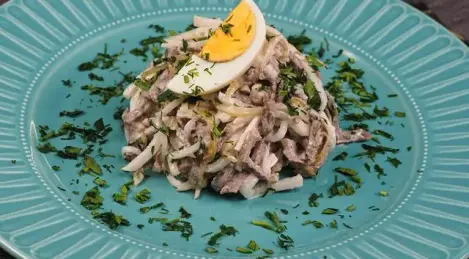
Tashkent Salad with Radish
The recipe for a salad with radish and beef is called "Tashkent". The root vegetable is popular in Uzbekistan. It is used to make a variety of salads, appetizers and even lagman. The Tashkent salad is an excellent option for a simple and he



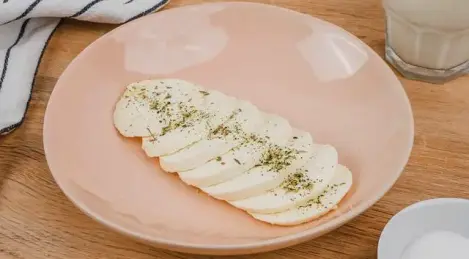
Adyghe cheese at home
Adyghe cheese is soft and tender. Moderately salty, aromatic and dense. You can cook many dishes of Caucasian cuisine with this cheese. You can also make this cheese at home, and do it without much difficulty.


Azu in Tatar style
Azu is a Tatar dish that gained popularity in Soviet times. Traditionally, azu is made from lamb or beef, with onions, potatoes and pickles added. Everything is cut into strips and stewed in tomato sauce.