 English
 Deutsch
 español
 français
 italiano

-
Newest

Light salmon roll
Omelette with cherry tomatoes and cheese
Rice sponge cake
Spaghetti with shrimps in creamy garlic sauce
Cabbage with champignons
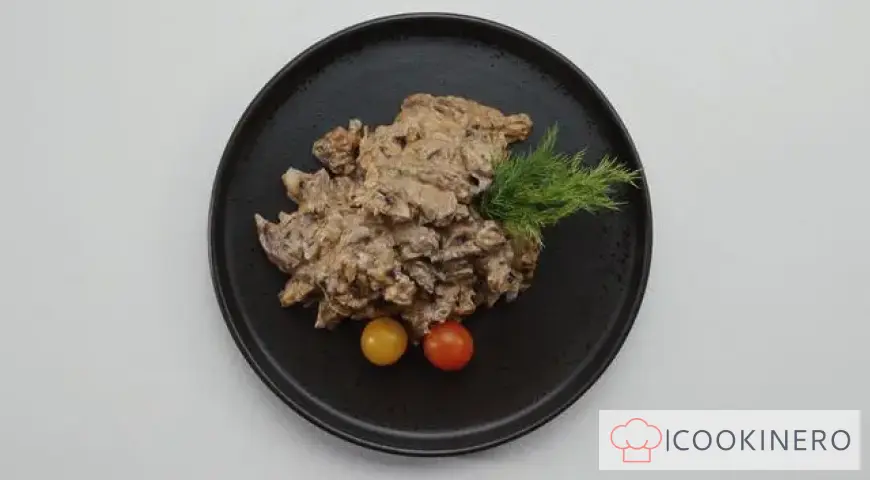
Beef Stroganoff with Mushrooms and Cream

Korean-style funchoza with vegetables


Korean-style funchoza salad is an Asian dish with famous "glass" noodles. It is made from mung bean starch. Funchoza, like pasta, can be bought in the store. Cooking noodles at home with a step-by-step recipe is not at all troublesome. When preparing funchoza with Korean-style vegetables, the noodles do not need to be boiled. It is enough to simply pour boiling water over them. The Korean dish is traditionally spicy, since spices and soy sauce are added to it.
How to cook Korean-style funchoza with vegetables
Step 1

Prepare the noodles. Boil 2 liters of water in a kettle or saucepan. Place the noodles in a large bowl and pour boiling water over them. The water should cover all the noodles. Let them sit for 7-8 minutes, following the cooking instructions on the package. Throw the noodles in a colander. Let the water drain well.
Step 2

Prepare the sauce. Mix all the ingredients for the sauce according to the list.
Step 3

Cut the vegetables. It is better to use a grater for Korean carrots. If you do not have such a grater, just cut the carrots, cucumber and pepper into thin strips.
Step 4

Prepare the salad. Place the glass noodles in a deep bowl. Add the chopped vegetables and sauce, mix. Let the salad sit for about an hour. After that, you can serve the dish.
Korean-style funchoza with vegetables - FAQ About Ingredients, Baking Time and Storage
Reviews: 0
0 Overall ratingHave you already prepared this recipe? Tell what you think.
Write a review
Trending


Hearty sandwich with Vienna sausages
We tell you how to make an unusual and very filling filling for a sandwich. We used Viennese sausages as a basis. They are the best choice, as they do not have much fat. And to complete the taste, we added a boiled egg and lecho. All that remains is


Azu in Tatar style
Azu is a Tatar dish that gained popularity in Soviet times. Traditionally, azu is made from lamb or beef, with onions, potatoes and pickles added. Everything is cut into strips and stewed in tomato sauce.
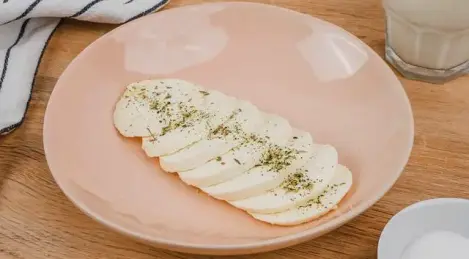
Adyghe cheese at home
Adyghe cheese is soft and tender. Moderately salty, aromatic and dense. You can cook many dishes of Caucasian cuisine with this cheese. You can also make this cheese at home, and do it without much difficulty.

Fried pollock with broccoli
Pollock is one of the most popular fish in dietary cuisine. Pollock fillet contains many useful elements, vitamins, phosphorus and is low in calories. Broccoli and pollock go well together. For maximum benefit and to preserve the beneficial propertie
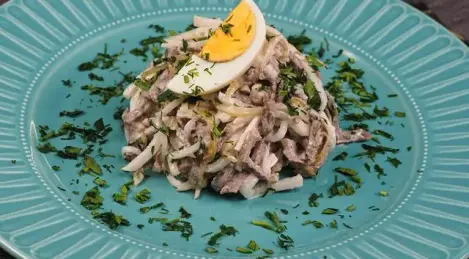
Tashkent Salad with Radish
The recipe for a salad with radish and beef is called "Tashkent". The root vegetable is popular in Uzbekistan. It is used to make a variety of salads, appetizers and even lagman. The Tashkent salad is an excellent option for a simple and he