 English
 Deutsch
 español
 français
 italiano

-
Newest

Light salmon roll
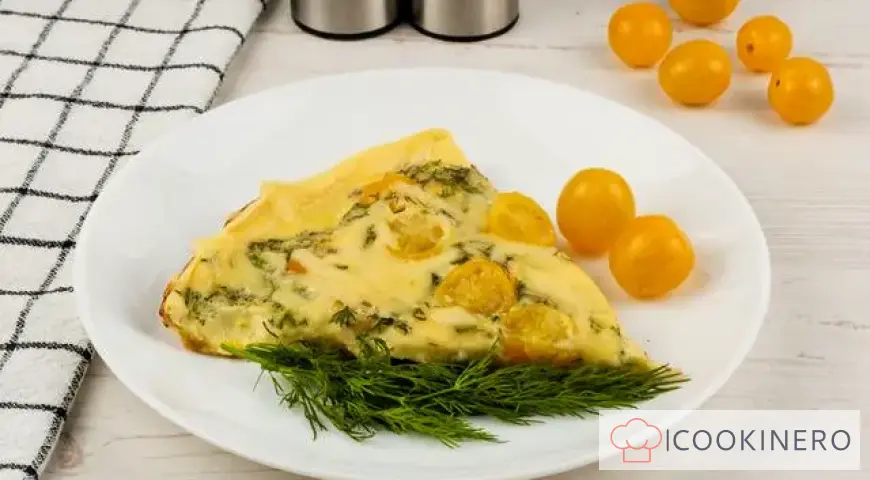
Omelette with cherry tomatoes and cheese
Rice sponge cake
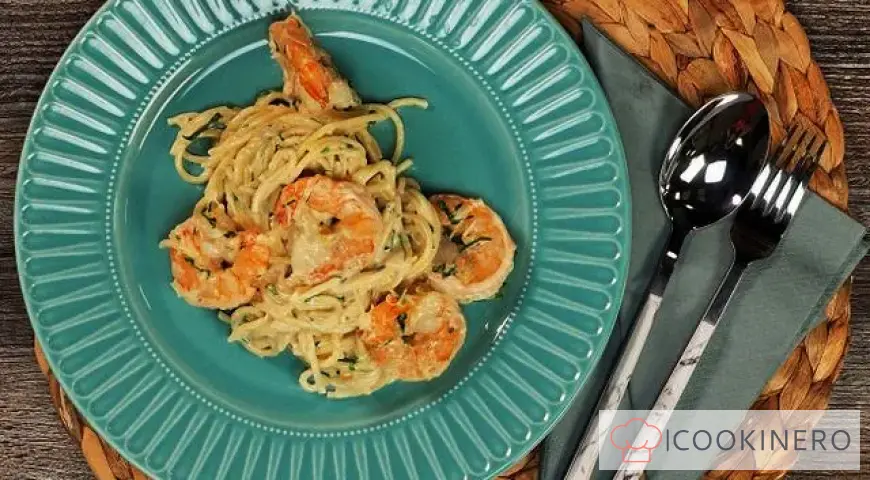
Spaghetti with shrimps in creamy garlic sauce
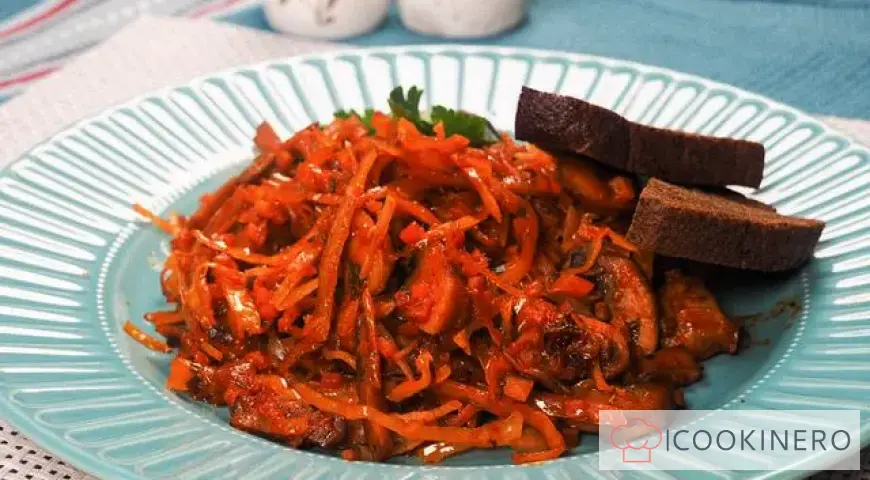
Cabbage with champignons
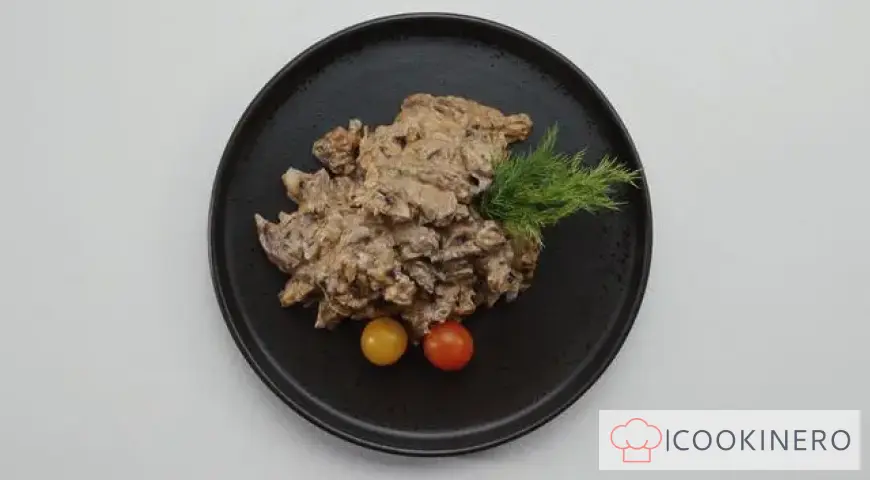
Beef Stroganoff with Mushrooms and Cream


Classic cutlets

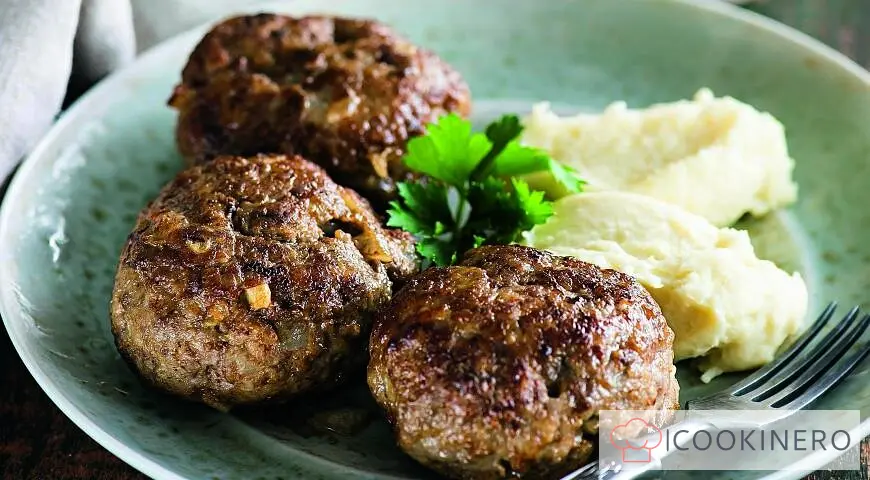
Everything, as grandmothers taught: a mixture of two types of minced meat, bread soaked in milk for splendor - and no proteins!
How to cook Classic cutlets
Step 1

Cut off the crusts from the bread, cut the crumb into pieces and soak it in cream or milk for 7–10 minutes. Finely chop or grate the onion, chop the garlic.
Step 2
Cut the beef and pork into medium pieces, pass through a meat grinder.
Step 3

Using your hands, mix the minced meat with the onion-garlic mass, adding bread with milk, yolks and 3-4 tbsp. l. water. Salt and pepper.
Step 4
Beat the minced meat, collecting it into a ball and throwing it with force on the work surface. After 5–7 min. beating the minced meat should stop flying into pieces. Cover it and place it in the refrigerator for 30 minutes.
Step 5

With wet hands, form round plump patties. Roll them in flour, shake off the excess.
Step 6
Heat oil in a large heavy-bottomed skillet. Fry the cutlets over high heat on both sides until golden brown, then bring to readiness over low heat under the lid, turning from time to time.
Classic cutlets - FAQ About Ingredients, Baking Time and Storage
Reviews: 0
0 Overall ratingHave you already prepared this recipe? Tell what you think.
Write a review
Trending

Tashkent Salad with Radish
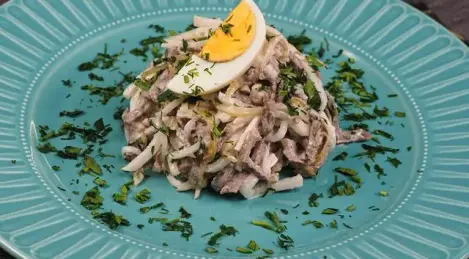
The recipe for a salad with radish and beef is called "Tashkent". The root vegetable is popular in Uzbekistan. It is used to make a variety of salads, appetizers and even lagman. The Tashkent salad is an excellent option for a simple and he


Adyghe cheese at home
Adyghe cheese is soft and tender. Moderately salty, aromatic and dense. You can cook many dishes of Caucasian cuisine with this cheese. You can also make this cheese at home, and do it without much difficulty.
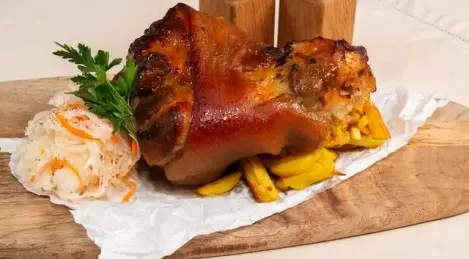
Czech style pork knuckle
The recipe for pork knuckle, or as they say in the Czech Republic, "veprova knelna", involves stewing the meat in beer for quite a long time and then baking it in the oven. Czech pork knuckle is juicy and tender baked meat with a unique aro

Azu in Tatar style
Azu is a Tatar dish that gained popularity in Soviet times. Traditionally, azu is made from lamb or beef, with onions, potatoes and pickles added. Everything is cut into strips and stewed in tomato sauce.