 English
 Deutsch
 español
 français
 italiano

-
Newest

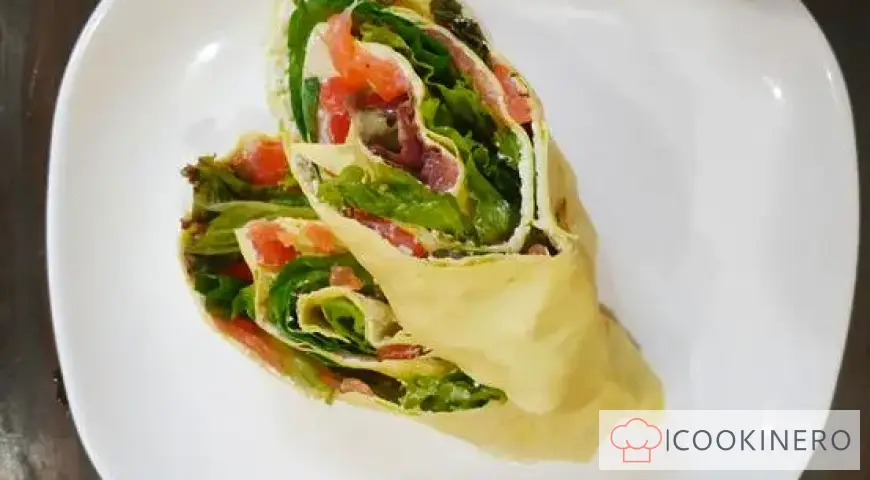
Light salmon roll
Omelette with cherry tomatoes and cheese
Rice sponge cake
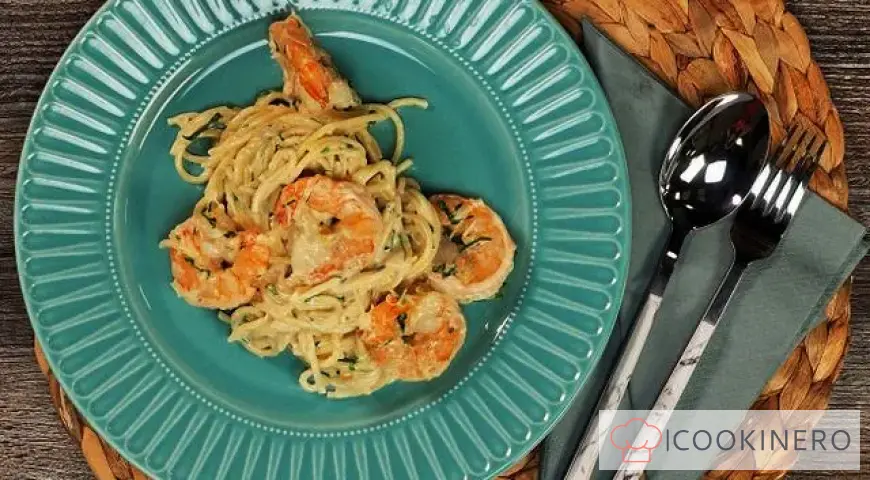
Spaghetti with shrimps in creamy garlic sauce
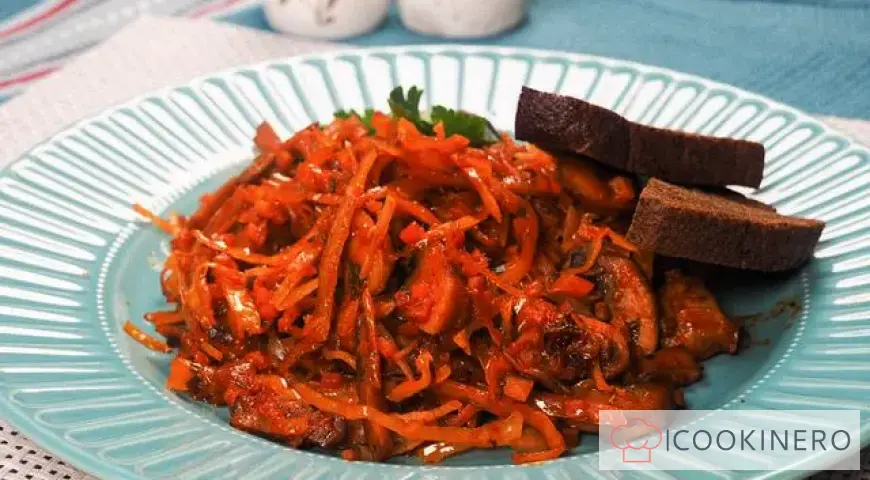
Cabbage with champignons
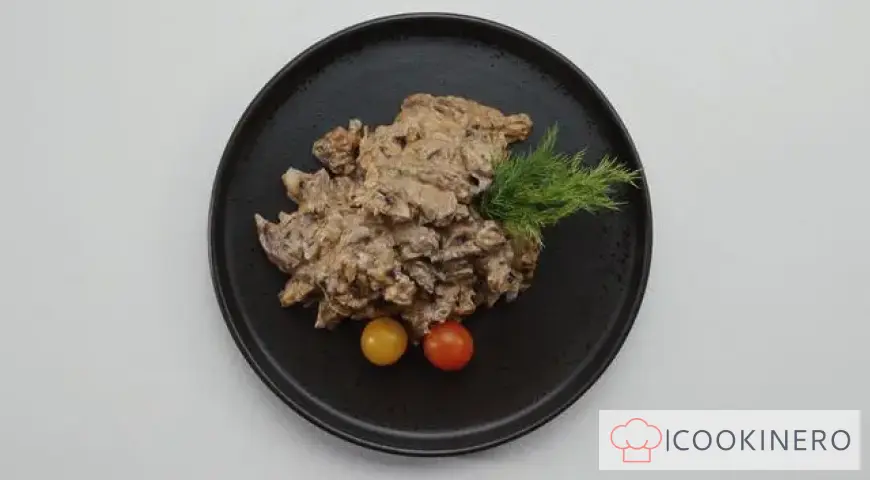
Beef Stroganoff with Mushrooms and Cream


Cabbage salad for the winter

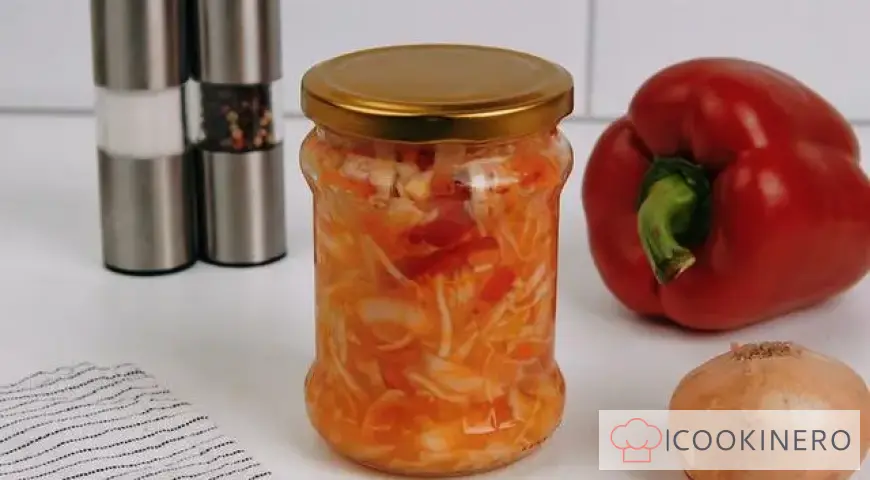
Pickled crispy cabbage and juicy bell peppers are a great snack for the winter. Pickled salted vegetables contain a huge amount of sodium and vitamin C. Lack of vitamin C provokes the development of scurvy. Previously, sailors most often suffered from this disease, as they faced a lack of vitamins on long voyages. Now, sauerkraut is included in the diet on every ship. Pickle tomatoes with cabbage for the winter according to our recipe and enrich your body with vitamin C.
How to cook Cabbage salad for the winter
Step 1
Sterilize the jars. Put them in the oven for 20 minutes, the temperature inside should be 100-110 °C. Then turn off the oven, let the jars cool inside for a few minutes.
Step 2
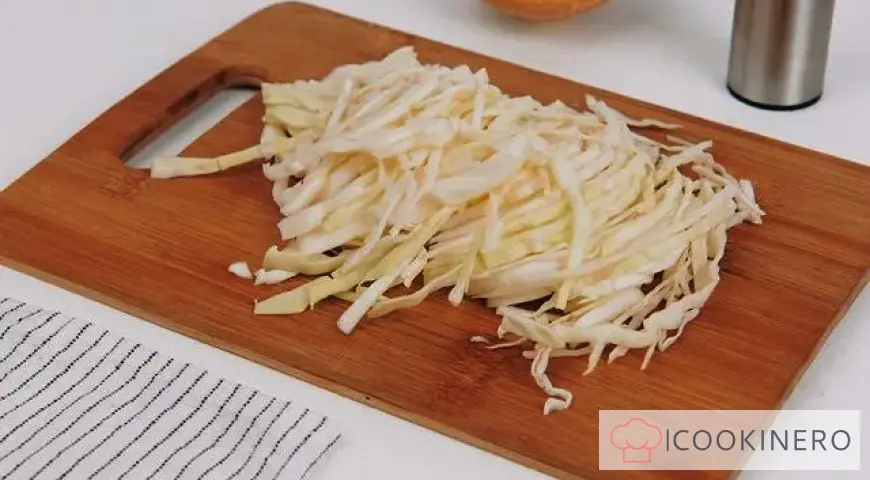
Shred the cabbage.
Step 3
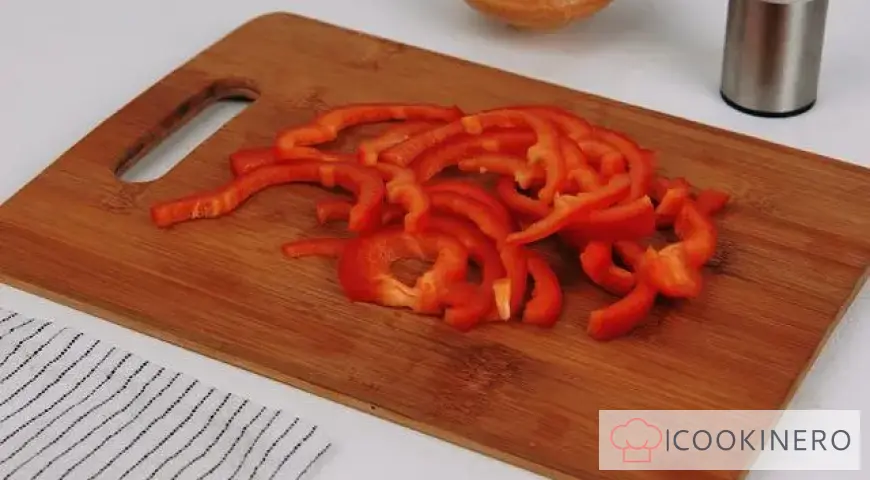
Cut out the core and seeds from the pepper and cut it into thin slices.
Step 4
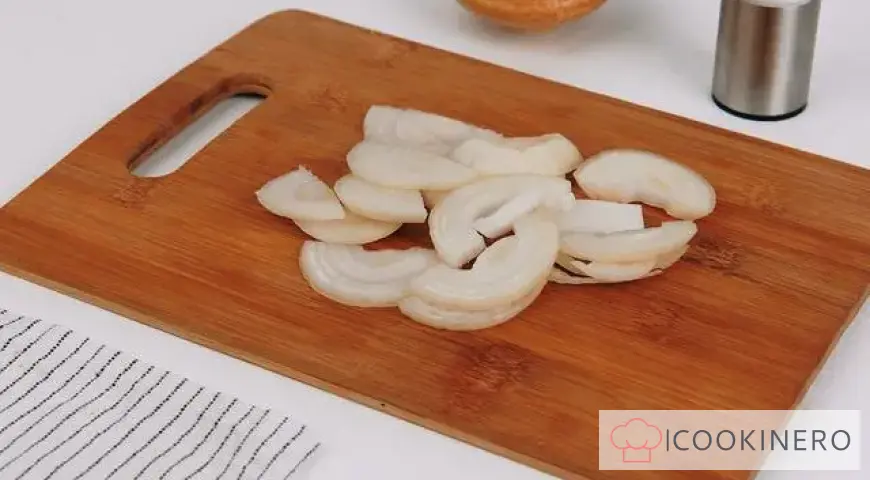
Peel and cut the onion into half rings.
Step 5
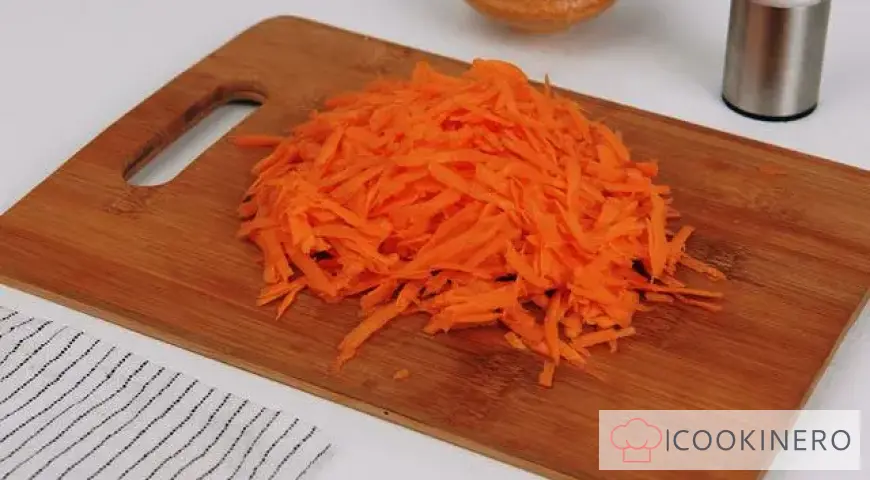
Grate the carrots on a coarse grater.
Step 6
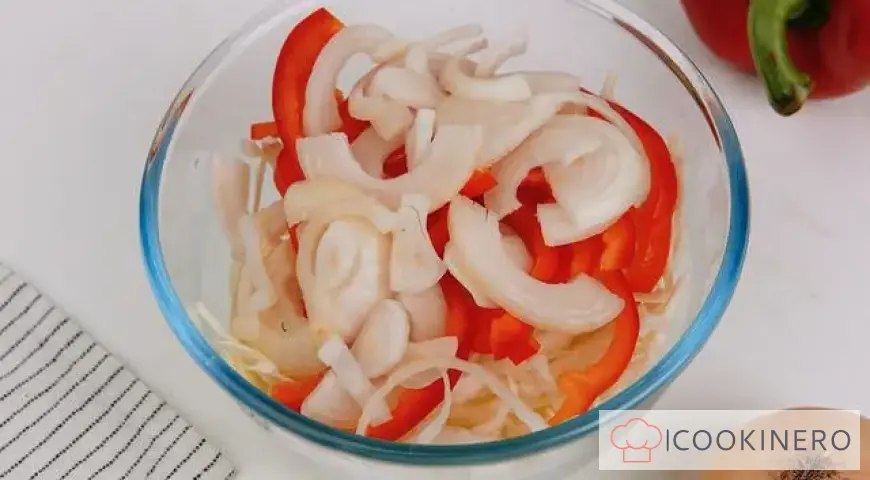
Place all the vegetables in a deep plate.
Step 7
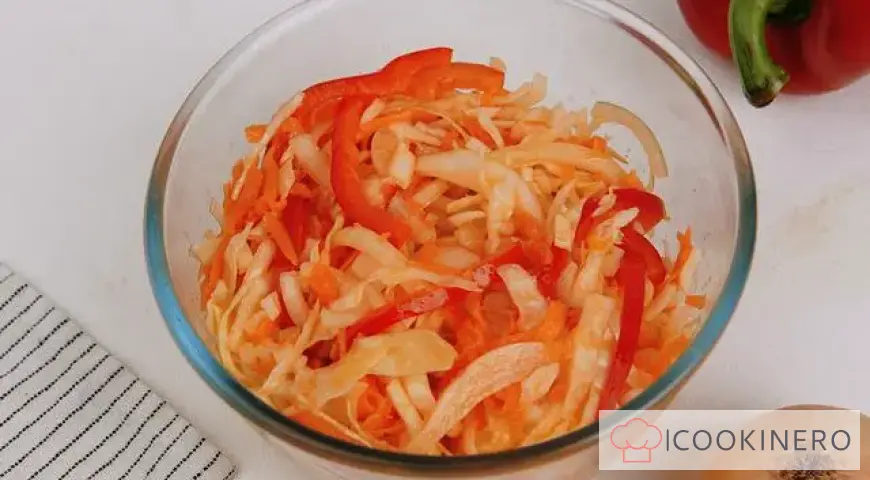
Add oil, vinegar, salt and sugar to the vegetables. Mix thoroughly.
Step 8

Cover the vegetables and refrigerate for 5-6 hours.
Step 9
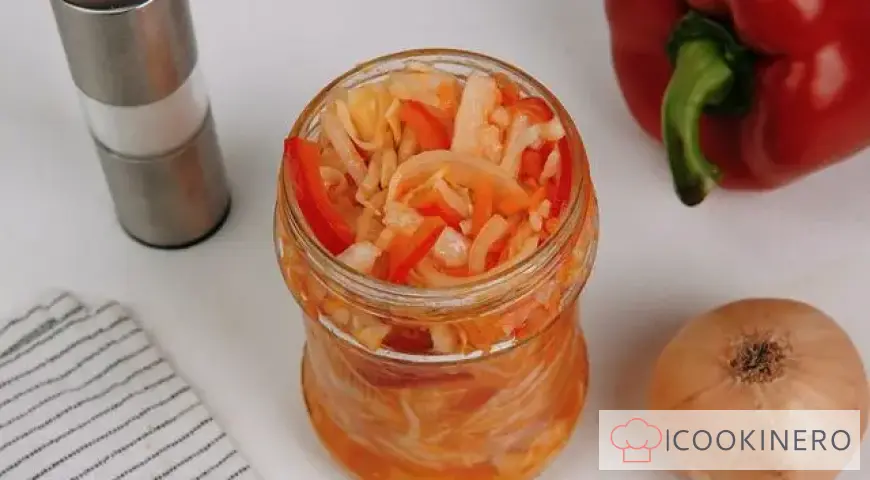
Place the cabbage salad in a jar and seal.
Cabbage salad for the winter - FAQ About Ingredients, Baking Time and Storage
Reviews: 0
0 Overall ratingHave you already prepared this recipe? Tell what you think.
Write a review
Trending




Hearty sandwich with Vienna sausages
We tell you how to make an unusual and very filling filling for a sandwich. We used Viennese sausages as a basis. They are the best choice, as they do not have much fat. And to complete the taste, we added a boiled egg and lecho. All that remains is

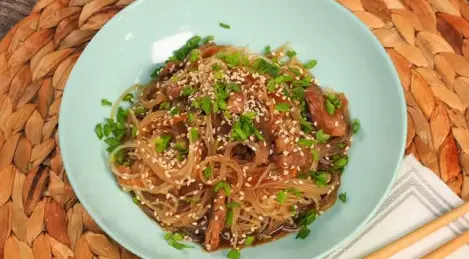
Funchoza with pork
Funchoza with pork is a Korean dish that is prepared very quickly from glass noodles with meat, vegetables, soy sauce and spices. Funchoza with pork is spicy and aromatic. The noodles become transparent during cooking and absorb not only the taste an