 English
 Deutsch
 español
 français
 italiano

-
Newest

Light salmon roll
Omelette with cherry tomatoes and cheese
Rice sponge cake
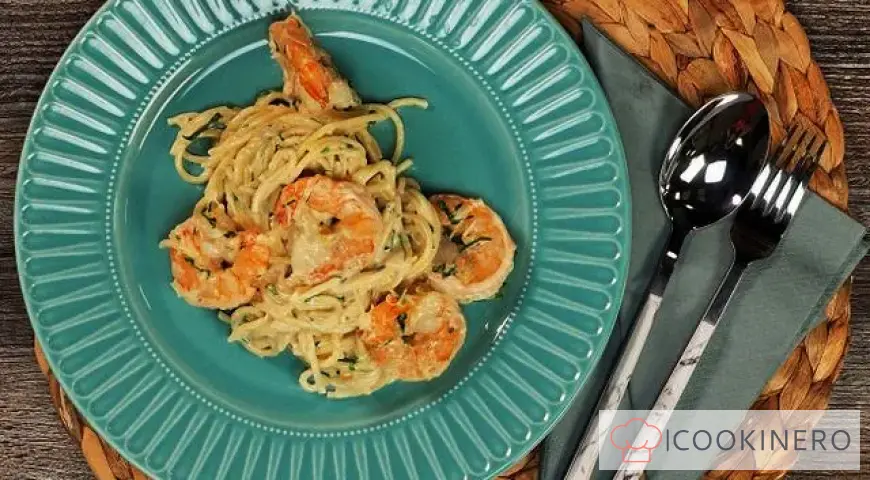
Spaghetti with shrimps in creamy garlic sauce
Cabbage with champignons
Beef Stroganoff with Mushrooms and Cream

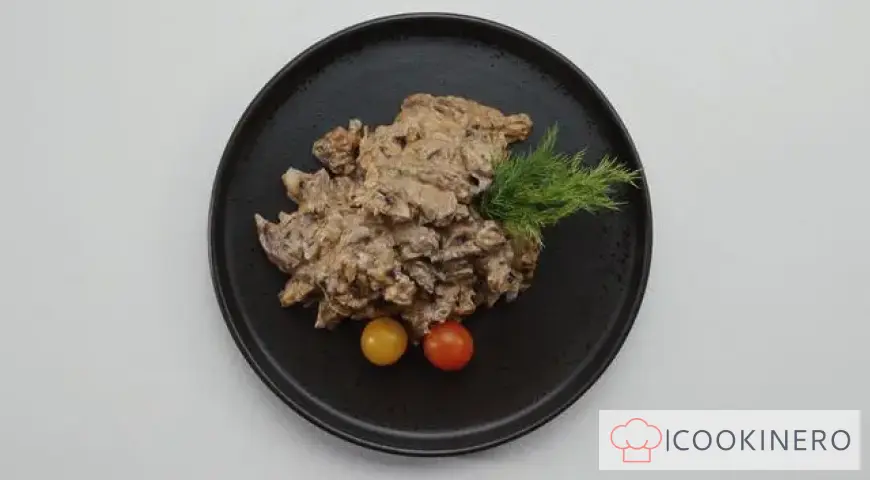
Spaghetti with cuttlefish ink


One of the most common types of Italian pasta is black pasta. Pasta nero can be in the form of spaghetti, bows or spirals. Such pasta gets its unusual color from cuttlefish ink. This pasta is traditionally prepared with seafood, because pasta nero itself exudes a light sea aroma when cooked. This dish of black spaghetti with shrimp in a creamy garlic sauce will be an unusual decoration for a festive table.
How to cook Spaghetti with cuttlefish ink
Step 1
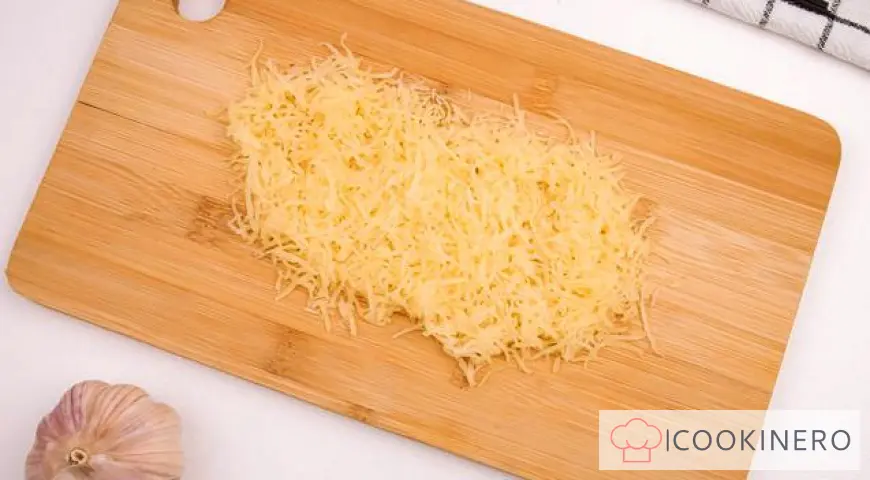
Grate the cheese on a fine grater.
Step 2

Peel the garlic, crush the cloves slightly and fry them in a frying pan heated with vegetable oil. Then remove the garlic from the pan.
Step 3

Place the shrimp in the pan and fry them in garlic oil on both sides for 2 minutes. Once ready, transfer the shrimp to another container.
Step 4

Place the squid ink spaghetti in boiling salted water and cook according to package directions.
Step 5
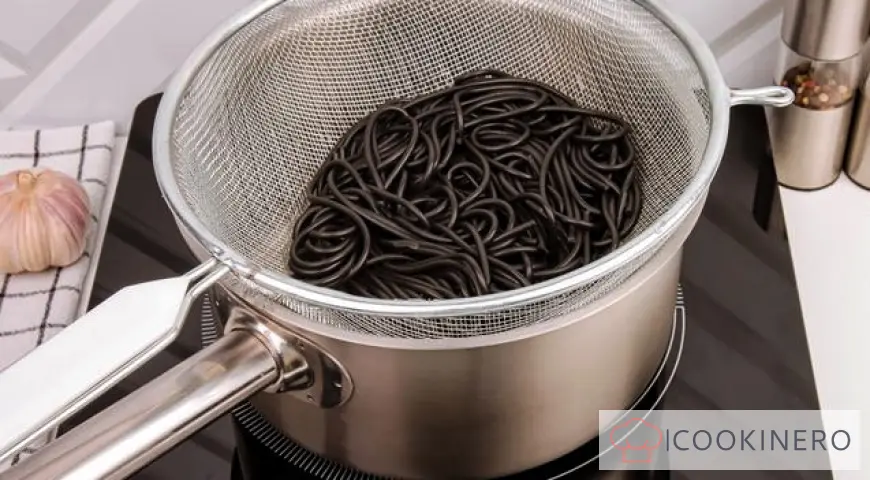
Once the spaghetti is cooked, drain the water.
Step 6
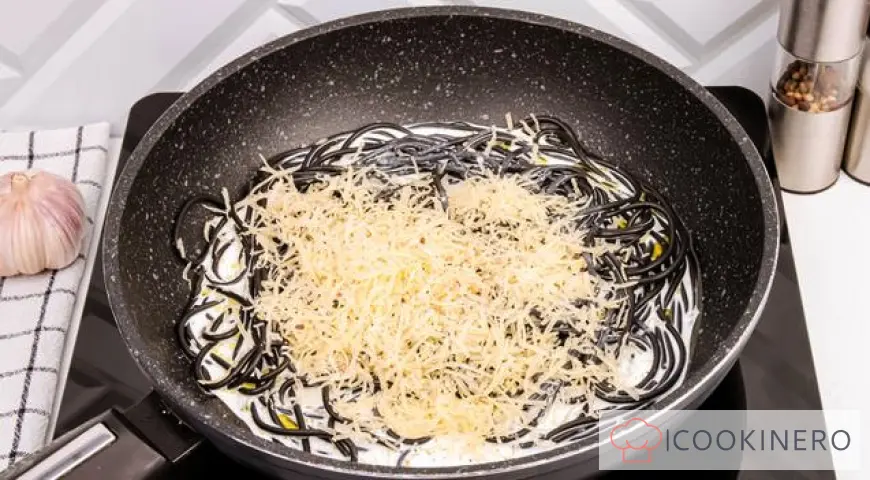
Place the spaghetti in a frying pan, pour in the cream and sprinkle with grated cheese.
Step 7

Stir in the spaghetti and simmer over low heat for 3-5 minutes, stirring constantly.
Step 8
Before serving, top each serving of spaghetti with fried shrimp.
Spaghetti with cuttlefish ink - FAQ About Ingredients, Baking Time and Storage
Reviews: 0
0 Overall ratingHave you already prepared this recipe? Tell what you think.
Write a review
Trending

Hearty sandwich with Vienna sausages
We tell you how to make an unusual and very filling filling for a sandwich. We used Viennese sausages as a basis. They are the best choice, as they do not have much fat. And to complete the taste, we added a boiled egg and lecho. All that remains is
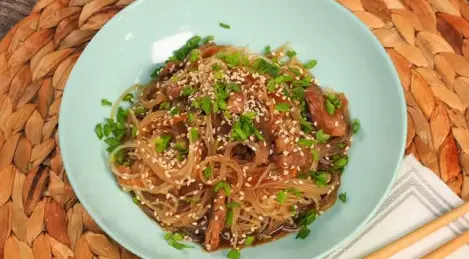
Funchoza with pork
Funchoza with pork is a Korean dish that is prepared very quickly from glass noodles with meat, vegetables, soy sauce and spices. Funchoza with pork is spicy and aromatic. The noodles become transparent during cooking and absorb not only the taste an
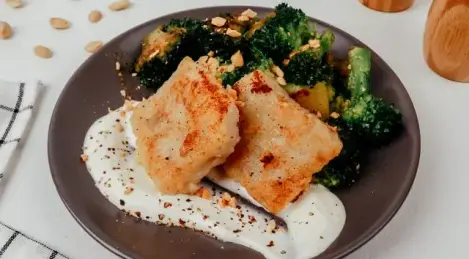
Fried pollock with broccoli
Pollock is one of the most popular fish in dietary cuisine. Pollock fillet contains many useful elements, vitamins, phosphorus and is low in calories. Broccoli and pollock go well together. For maximum benefit and to preserve the beneficial propertie
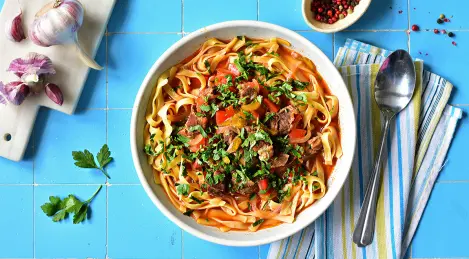
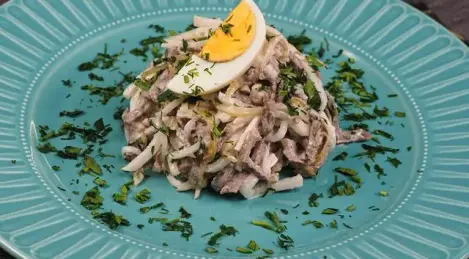
Tashkent Salad with Radish
The recipe for a salad with radish and beef is called "Tashkent". The root vegetable is popular in Uzbekistan. It is used to make a variety of salads, appetizers and even lagman. The Tashkent salad is an excellent option for a simple and he
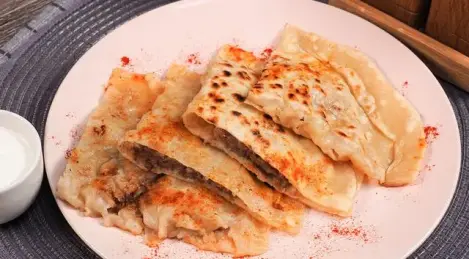
Azerbaijani kutabs
Kutaby (or gutaby) is a traditional Azerbaijani snack, a thin pie with a filling of ground beef or lamb with the addition of lamb fat. Onions, herbs, cheese, and sometimes even pumpkin are also used for the filling of kutaby. Kutaby are fried in a dr