 English
 Deutsch
 español
 français
 italiano

-
Newest

Light salmon roll
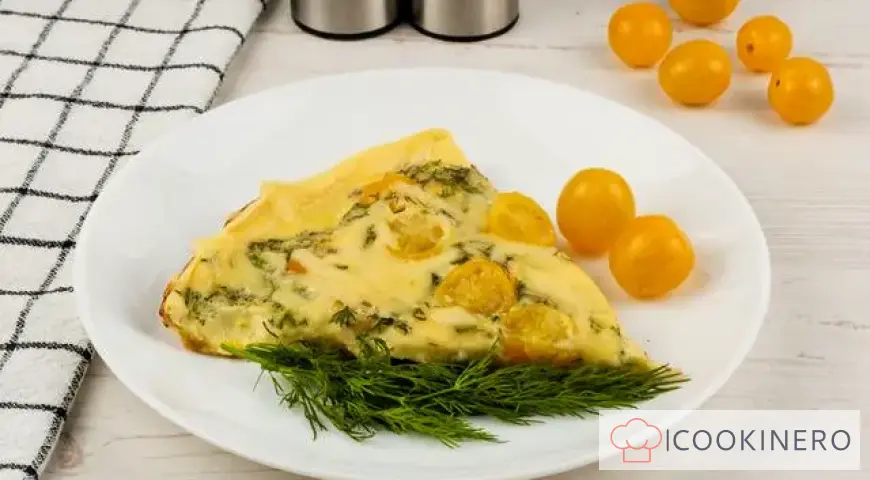
Omelette with cherry tomatoes and cheese
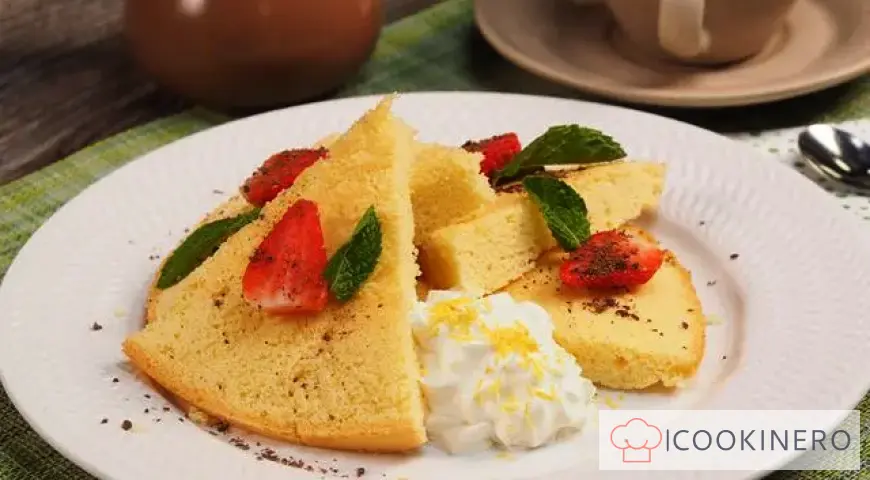
Rice sponge cake
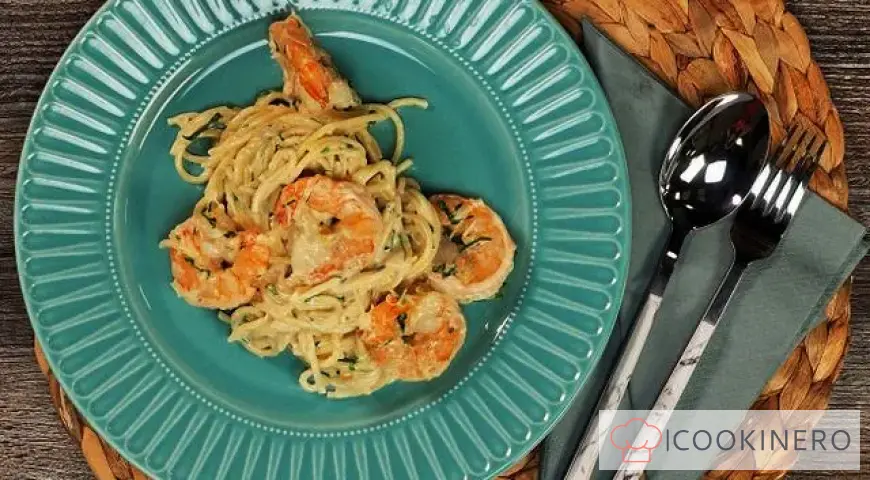
Spaghetti with shrimps in creamy garlic sauce
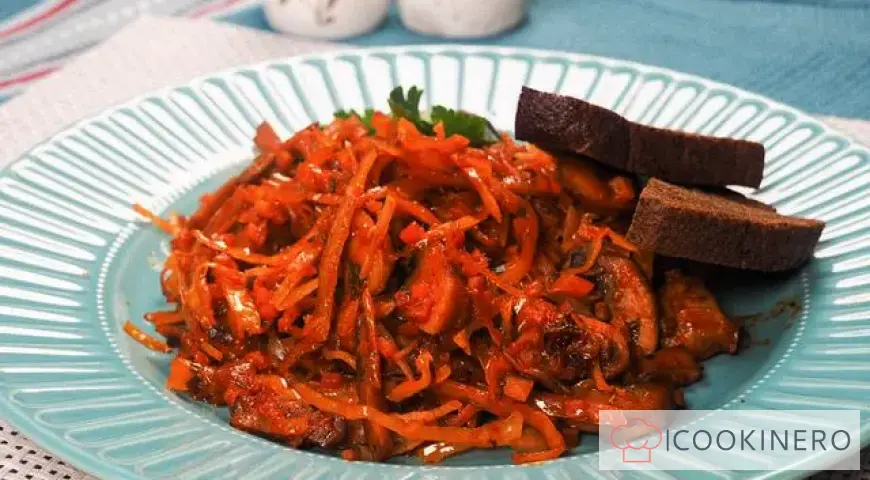
Cabbage with champignons
Beef Stroganoff with Mushrooms and Cream

Soviet-style shashlik

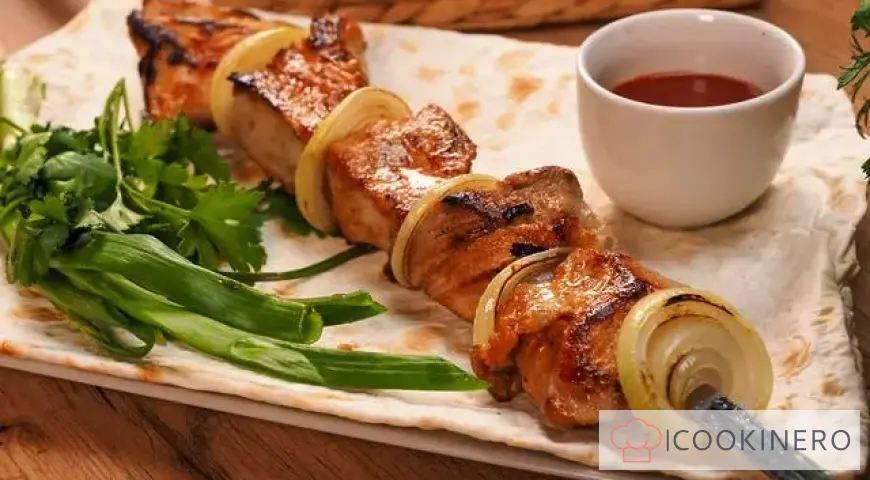
Why is the Soviet shashlik recipe still popular today? It requires a minimum amount of ingredients for the marinade - only onions and vinegar. And it is prepared from the most delicious part of the pork - the neck. In order for the Soviet shashlik with vinegar and onions to be a success, choose the meat correctly. The piece should be dense, have a clear structure and a natural red color. Shashlik from the USSR will be tasty and juicy if you follow a few simple tips that we will tell you about.
How to cook Soviet-style shashlik
Step 1
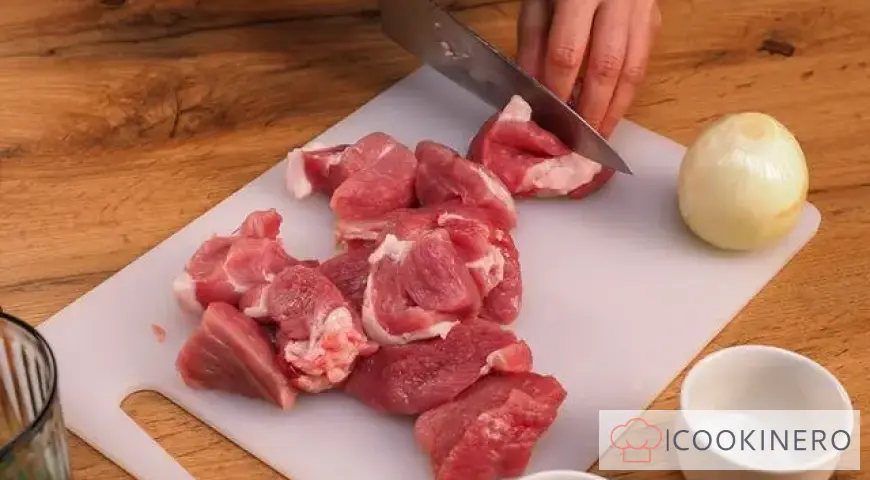
Cut the meat into medium pieces.
Step 2
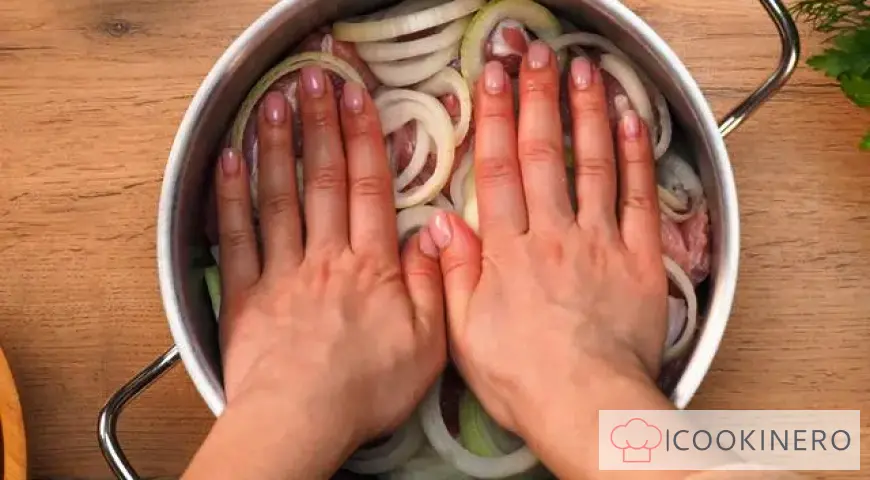
Place the onion cut into half rings on the bottom of the pan, add vinegar, lightly pepper and salt, and press down.
Step 3

Place a layer of meat, pepper and salt. Add onion. Repeat layers until the pan is completely full. Refrigerate for at least 6 hours.
Step 4
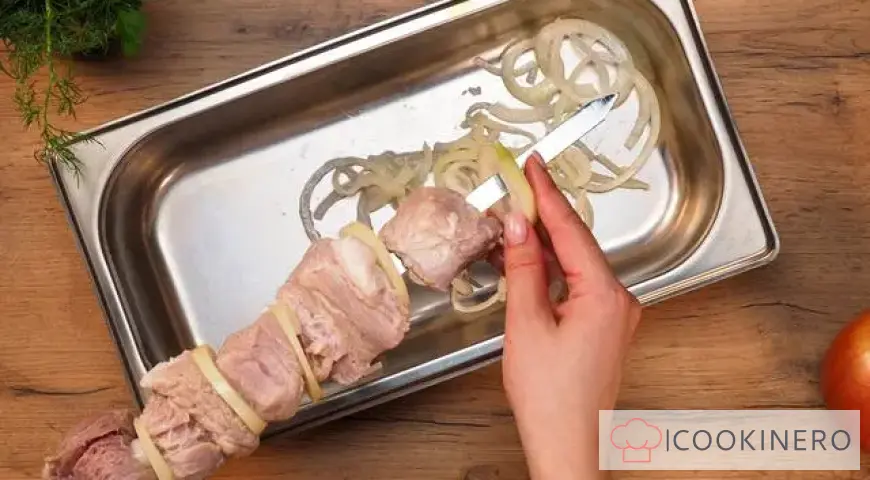
Thread the meat onto skewers, alternating with the onion rings.
Step 5
Cook the marinated shashlik over smoldering fire, frying the meat for 20 minutes on each side.
Step 6
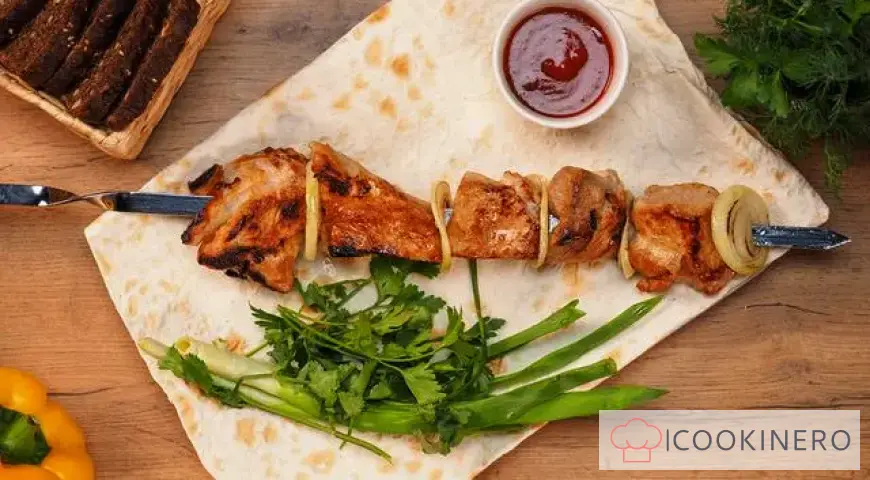
Serve the finished shashlik on a plate covered with lavash. Add a couple of bunches of green onions.
Soviet-style shashlik - FAQ About Ingredients, Baking Time and Storage
Reviews: 0
0 Overall ratingHave you already prepared this recipe? Tell what you think.
Write a review
Trending


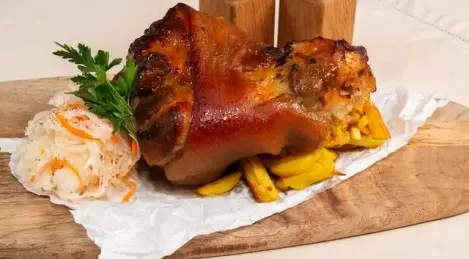
Czech style pork knuckle
The recipe for pork knuckle, or as they say in the Czech Republic, "veprova knelna", involves stewing the meat in beer for quite a long time and then baking it in the oven. Czech pork knuckle is juicy and tender baked meat with a unique aro

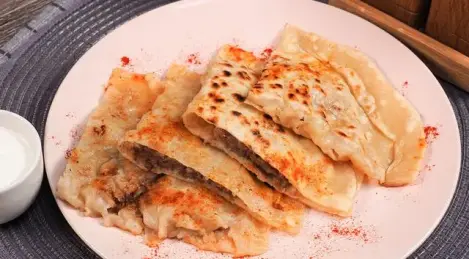
Azerbaijani kutabs
Kutaby (or gutaby) is a traditional Azerbaijani snack, a thin pie with a filling of ground beef or lamb with the addition of lamb fat. Onions, herbs, cheese, and sometimes even pumpkin are also used for the filling of kutaby. Kutaby are fried in a dr
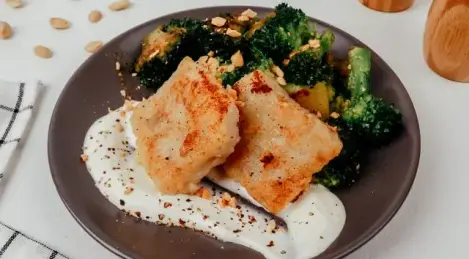
Fried pollock with broccoli
Pollock is one of the most popular fish in dietary cuisine. Pollock fillet contains many useful elements, vitamins, phosphorus and is low in calories. Broccoli and pollock go well together. For maximum benefit and to preserve the beneficial propertie