 English
 Deutsch
 español
 français
 italiano

-
Newest

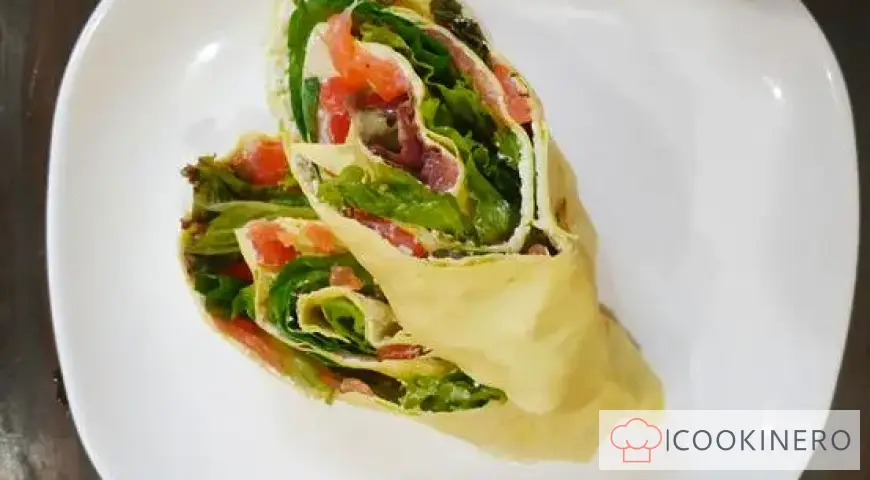
Light salmon roll
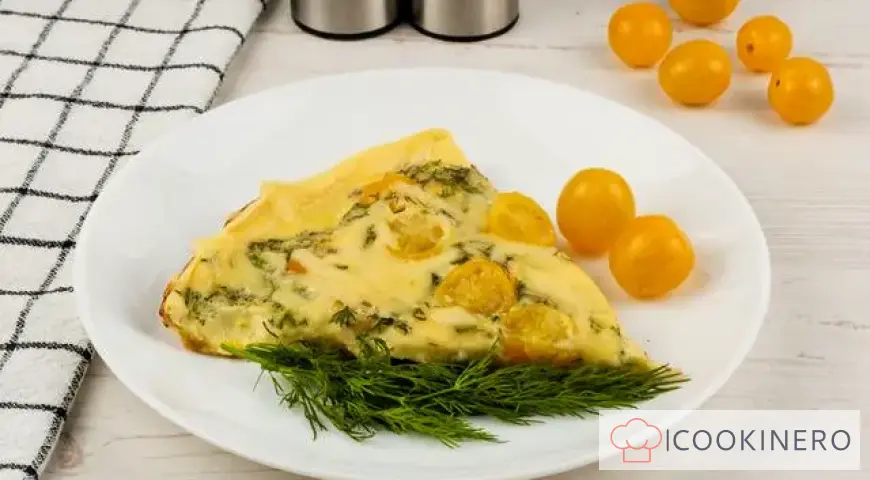
Omelette with cherry tomatoes and cheese
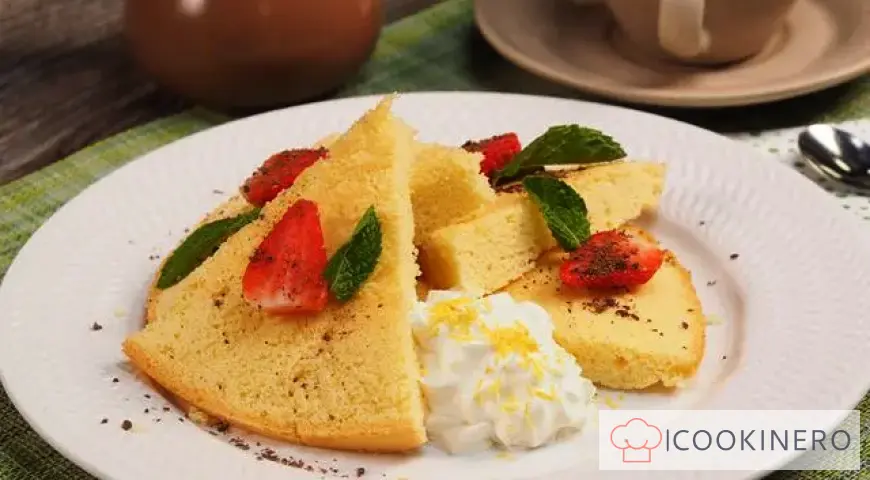
Rice sponge cake
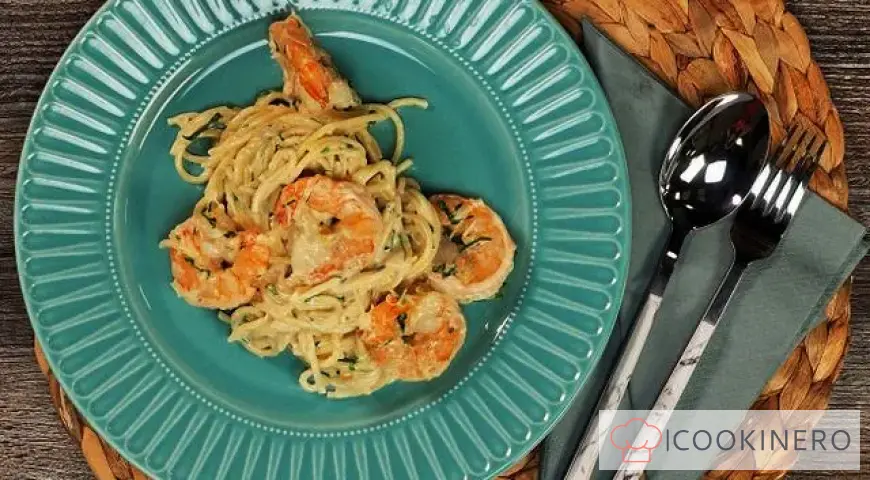
Spaghetti with shrimps in creamy garlic sauce
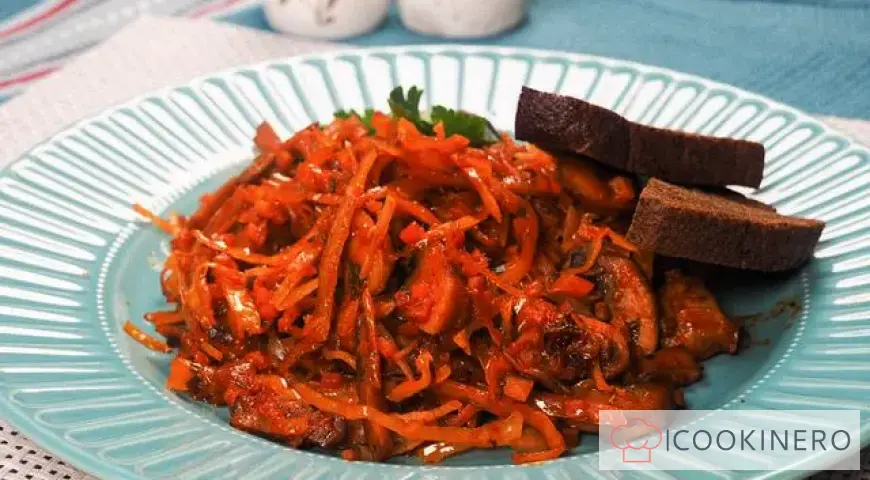
Cabbage with champignons
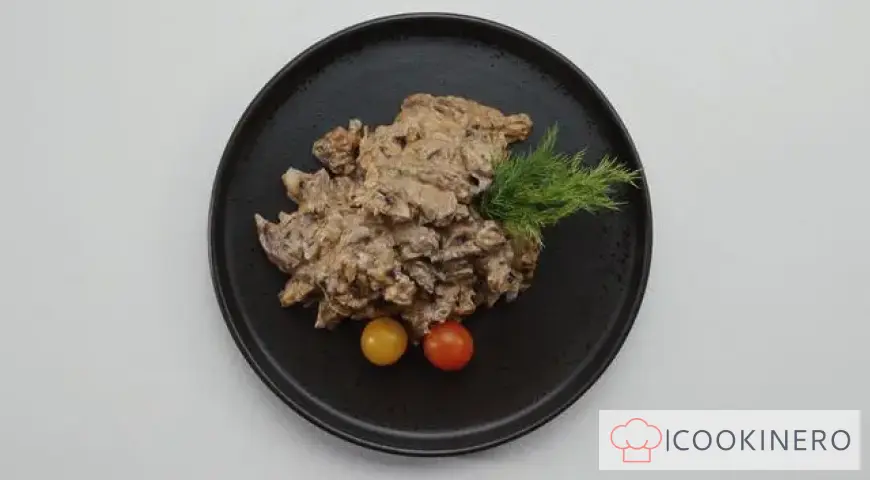
Beef Stroganoff with Mushrooms and Cream
Pomegranate jelly

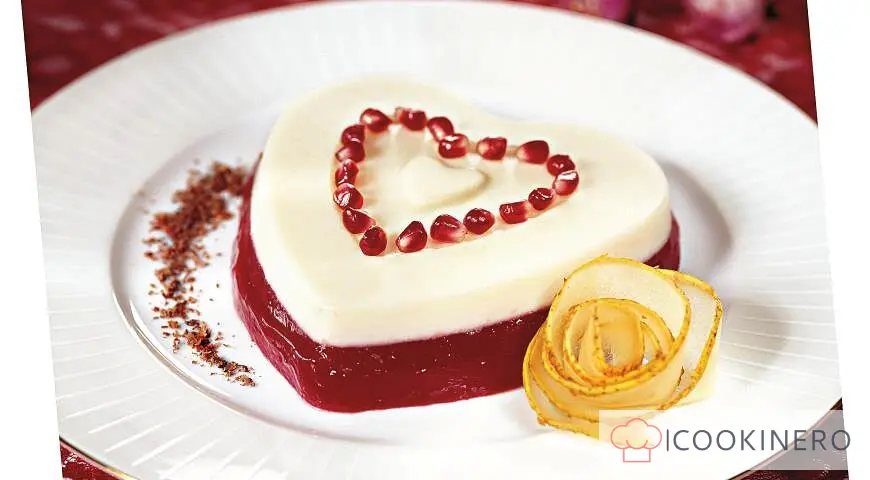
On Valentine's Day, it's easier than ever for lovers to say the main words to each other - an ordinary bouquet or a chocolate bar is perceived as a recognition.
How to cook Pomegranate jelly
Step 1
1. Wash pomegranates, cut in half. Squeeze pomegranate juice with a juicer. You should get about 250 ml of juice. 2. Dilute gelatin in water. When it swells, put half into a container with milk, mix thoroughly. Carefully pour the milk mixture into the silicone heart shape. Place in refrigerator for 30 minutes. 3. Transfer the remaining gelatin to a container with pomegranate juice, mix and pour milk jelly on top. Put in the refrigerator for another 35-40 minutes. 4. While the jelly is setting, prepare the decorations. Wash the pear, dry thoroughly. Remove the peel from the fruit with thin continuous chips. Roll the shavings into a flower shape. 5. Remove the mold with jelly from the refrigerator. Turn it over on a dish, carefully remove it from the frozen jelly. Decorate with a pear rose. Sprinkle the dish with chocolate chips.
Reviews: 0
0 Overall ratingHave you already prepared this recipe? Tell what you think.
Write a review
Trending

Azu in Tatar style
Azu is a Tatar dish that gained popularity in Soviet times. Traditionally, azu is made from lamb or beef, with onions, potatoes and pickles added. Everything is cut into strips and stewed in tomato sauce.
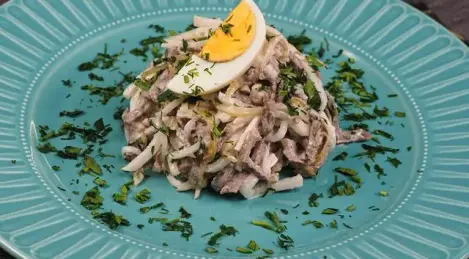
Tashkent Salad with Radish
The recipe for a salad with radish and beef is called "Tashkent". The root vegetable is popular in Uzbekistan. It is used to make a variety of salads, appetizers and even lagman. The Tashkent salad is an excellent option for a simple and he


Hearty sandwich with Vienna sausages
We tell you how to make an unusual and very filling filling for a sandwich. We used Viennese sausages as a basis. They are the best choice, as they do not have much fat. And to complete the taste, we added a boiled egg and lecho. All that remains is