 English
 Deutsch
 español
 français
 italiano

-
Newest

Light salmon roll
Omelette with cherry tomatoes and cheese
Rice sponge cake
Spaghetti with shrimps in creamy garlic sauce
Cabbage with champignons
Beef Stroganoff with Mushrooms and Cream

Okroshka with kvass and beef

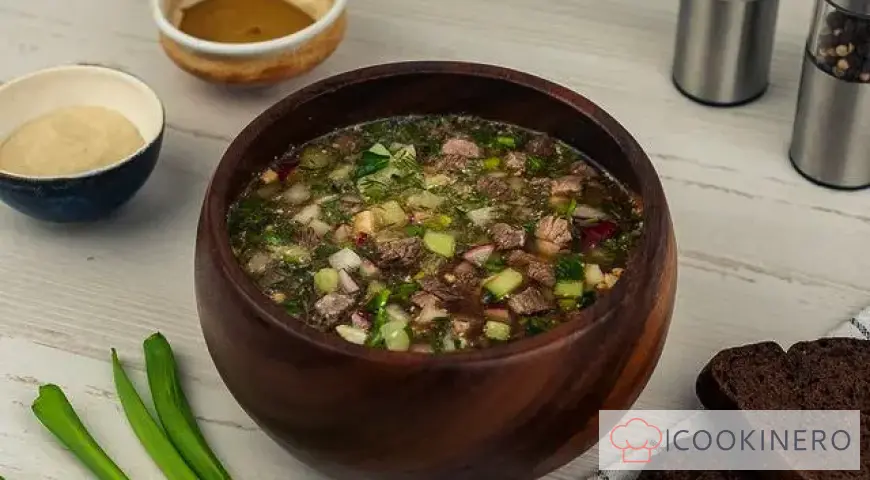
For those who prefer to make their menu lighter and refreshing on hot summer days, the recipe for okroshka on kvass will come in handy. The dish is served cold, so it is especially pleasant to eat in the heat. And the pieces of beef in the composition will make the okroshka more satisfying and nutritious.
How to cook Okroshka with kvass and beef
Step 1
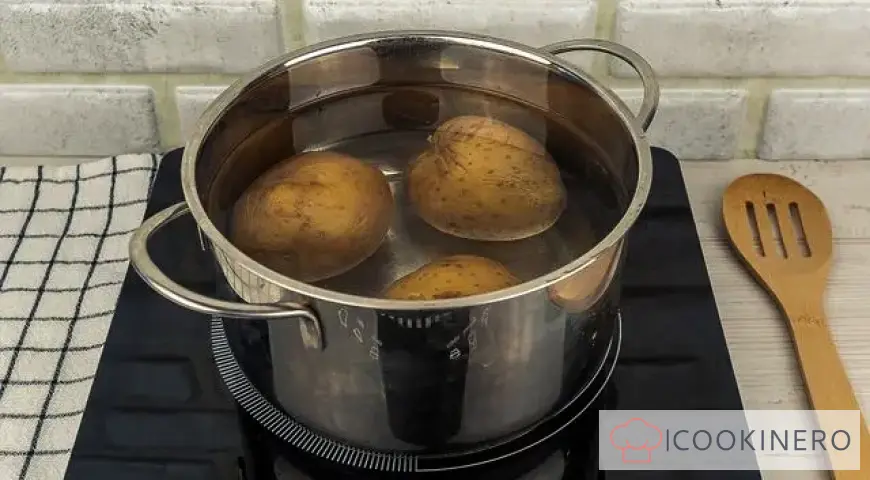
Place the clean potatoes in a saucepan and put on the fire for 25-30 minutes. After the potatoes are cooked, peel them.
Step 2
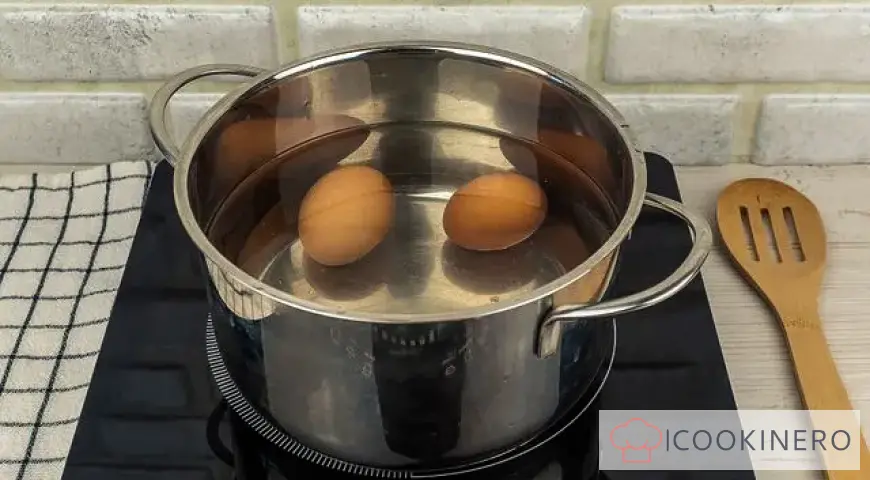
Place the eggs in a small saucepan with water and cook until done. To cool the eggs after cooking, pour cool water over them.
Step 3
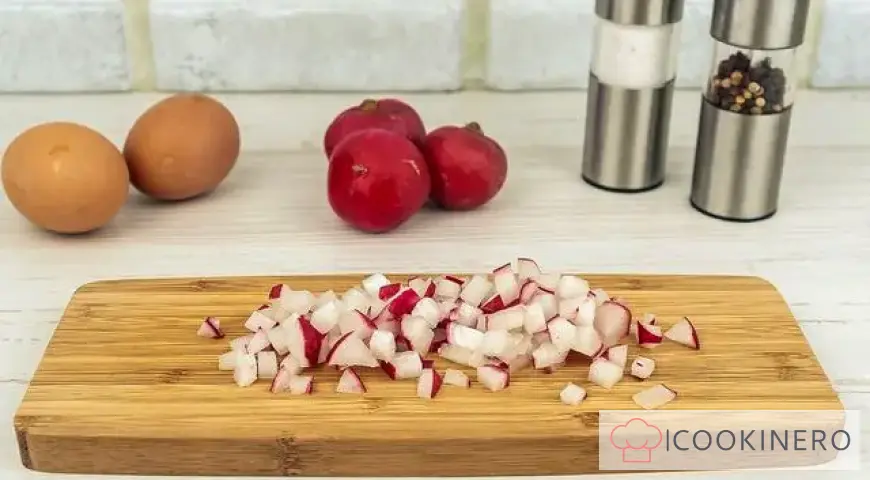
Finely chop the radish.
Step 4
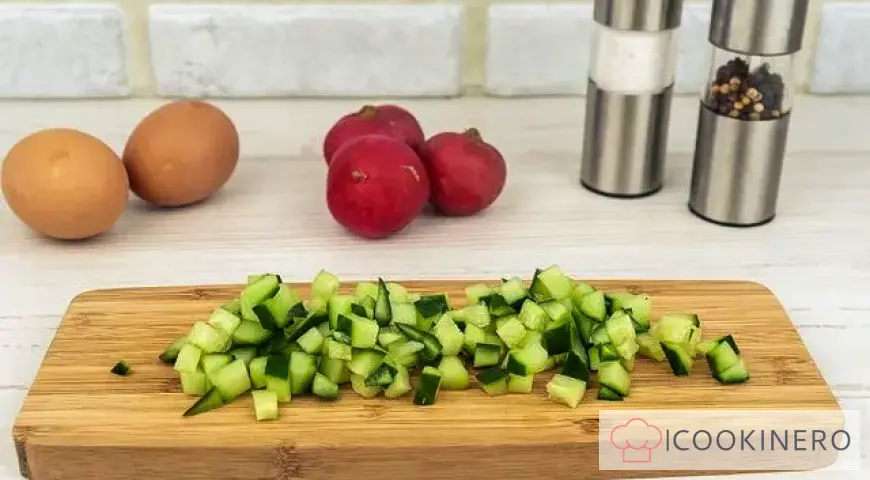
Chop the cucumber finely as well.
Step 5
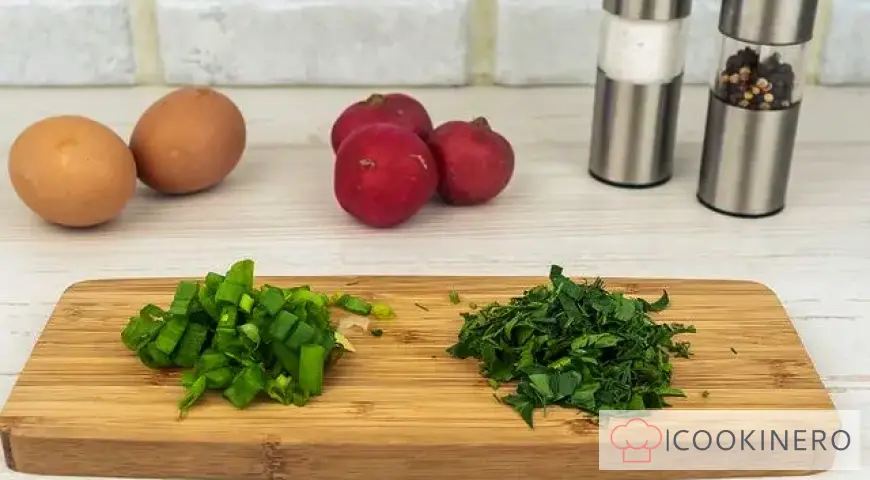
Finely chop all the greens.
Step 6
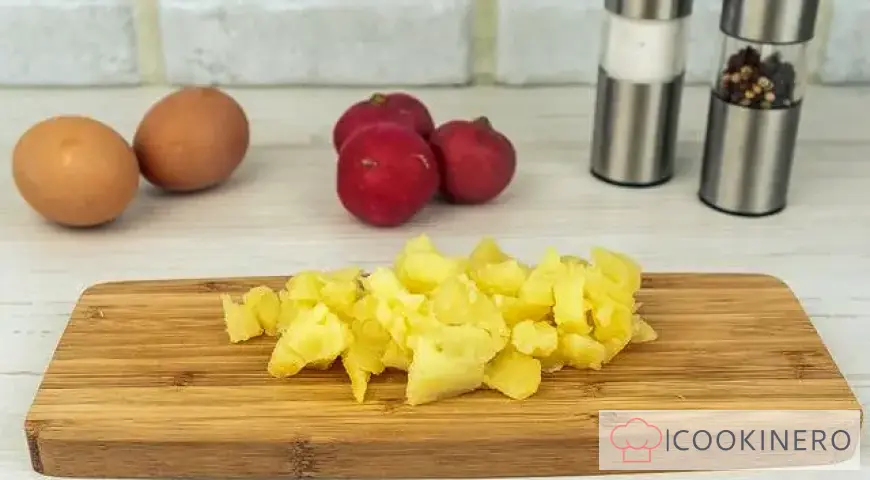
Cut the boiled potatoes into small pieces.
Step 7
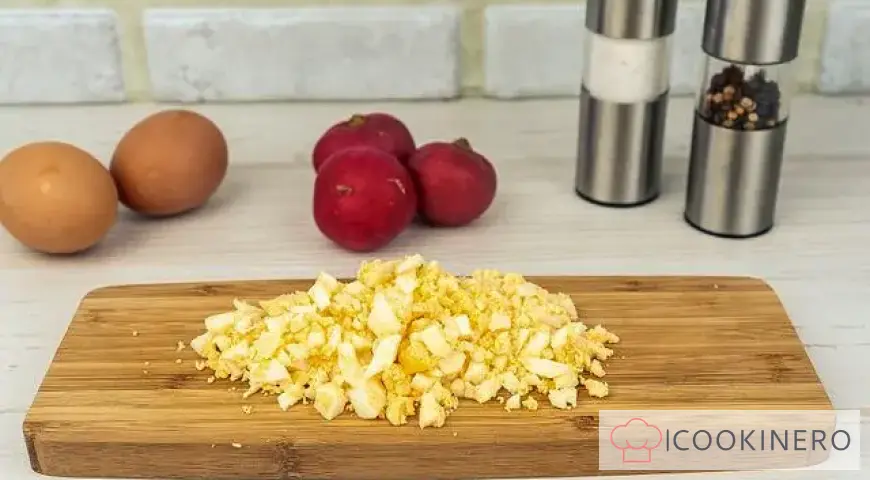
Remove the shells from the eggs and cut them into small pieces.
Step 8
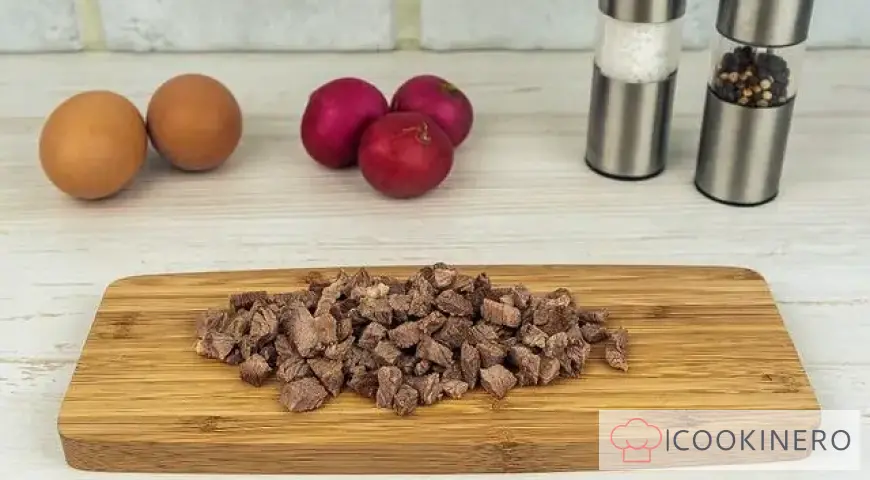
Chop the boiled beef into small cubes.
Step 9
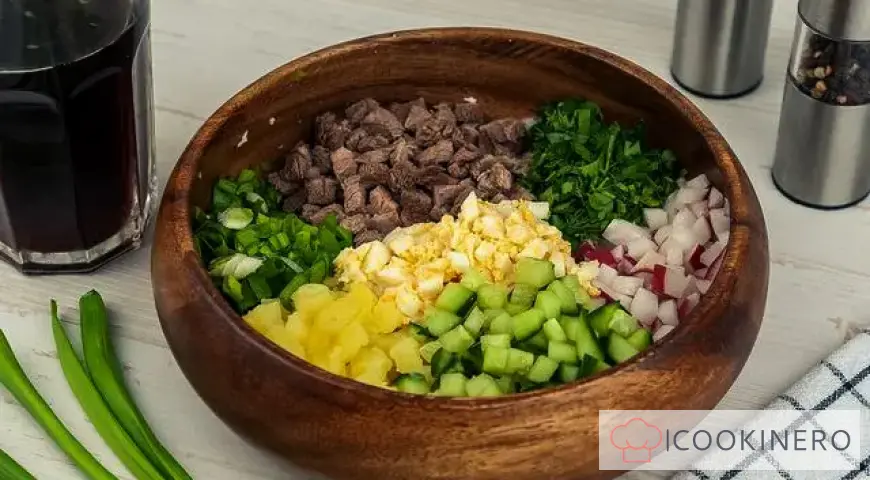
Mix everything you have cut in some deep dish. The dish is ready, all that remains is to season it with sour cream or mayonnaise to taste and pour in kvass. But it is better to do this only with individual portions that are already distributed on plates.
Okroshka with kvass and beef - FAQ About Ingredients, Baking Time and Storage
Reviews: 0
0 Overall ratingHave you already prepared this recipe? Tell what you think.
Write a review
Trending

Azu in Tatar style
Azu is a Tatar dish that gained popularity in Soviet times. Traditionally, azu is made from lamb or beef, with onions, potatoes and pickles added. Everything is cut into strips and stewed in tomato sauce.


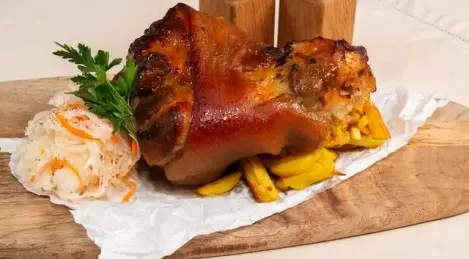
Czech style pork knuckle
The recipe for pork knuckle, or as they say in the Czech Republic, "veprova knelna", involves stewing the meat in beer for quite a long time and then baking it in the oven. Czech pork knuckle is juicy and tender baked meat with a unique aro

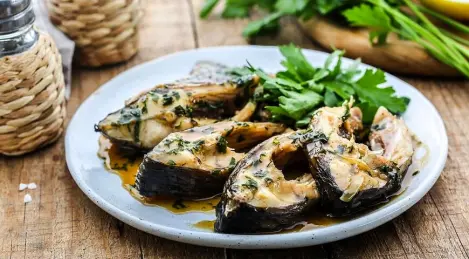
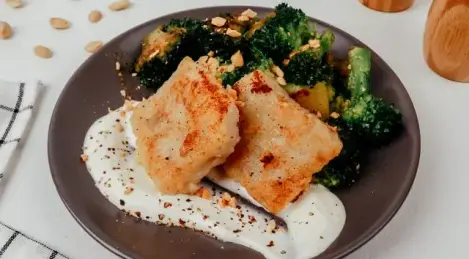
Fried pollock with broccoli
Pollock is one of the most popular fish in dietary cuisine. Pollock fillet contains many useful elements, vitamins, phosphorus and is low in calories. Broccoli and pollock go well together. For maximum benefit and to preserve the beneficial propertie