 English
 Deutsch
 español
 français
 italiano

-
Newest

Light salmon roll
Omelette with cherry tomatoes and cheese
Rice sponge cake
Spaghetti with shrimps in creamy garlic sauce
Cabbage with champignons
Beef Stroganoff with Mushrooms and Cream



Kiwi and gooseberry confiture

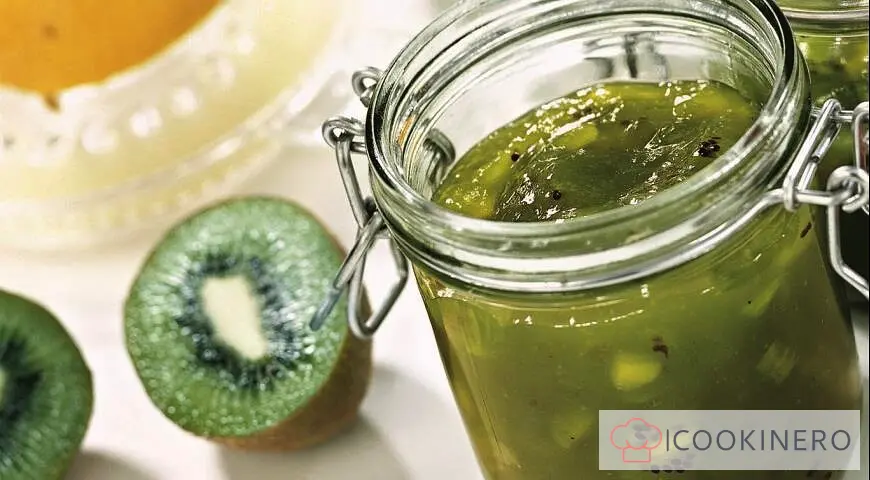
This confiture can be used for filling pies, rolls and cakes. You can also add chopped walnuts to it.
How to cook Kiwi and gooseberry confiture
Step 1
Kiwi peel, cut lengthwise into four parts, and then into thin slices. Sort the gooseberries, wash them, remove the stalks and inflorescences.
Step 2
Remove the zest from the lemon with a grater, squeeze the juice from the pulp. Add the juice to the gooseberries, use a blender to make a puree from the berries. Pass the puree through a sieve to remove the seeds.
Step 3
Mix mashed potatoes with kiwi, lemon zest and sugar. Pour into a deep frying pan, put on fire and bring to a boil, stirring constantly. Cook until the volume is reduced by 2 times. Then remove from heat and pour into sterilized jars. Close jars with lids.
Tip: This confiture can be used to fill pies, rolls and cakes. You can also add chopped walnuts to it.
Reviews: 0
0 Overall ratingHave you already prepared this recipe? Tell what you think.
Write a review
Trending

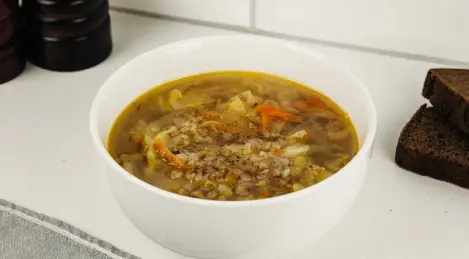
Buckwheat soup
Cabbage soup with potatoes is a traditional Russian dish. It can often be seen in various establishments in one interpretation or another. Many people also cook it at home, because it is a simple, budget-friendly and tasty soup.



Azerbaijani kutabs
Kutaby (or gutaby) is a traditional Azerbaijani snack, a thin pie with a filling of ground beef or lamb with the addition of lamb fat. Onions, herbs, cheese, and sometimes even pumpkin are also used for the filling of kutaby. Kutaby are fried in a dr