 English
 Deutsch
 español
 français
 italiano

-
Newest

Light salmon roll
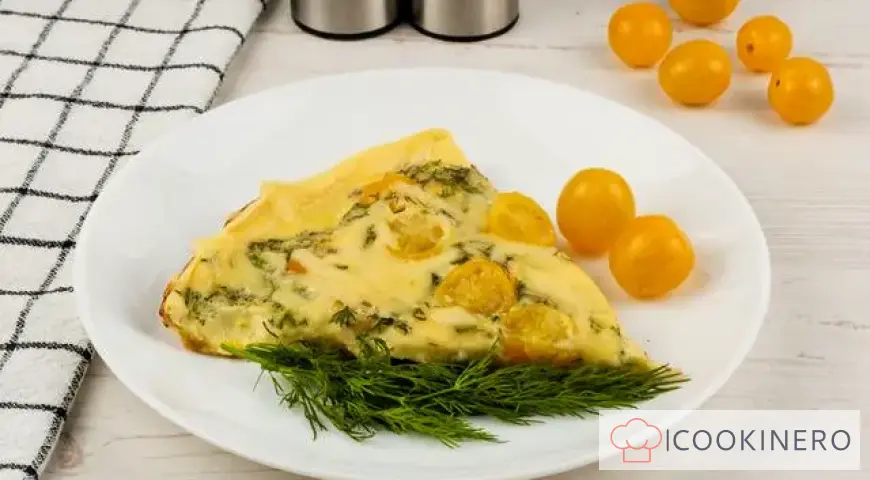
Omelette with cherry tomatoes and cheese
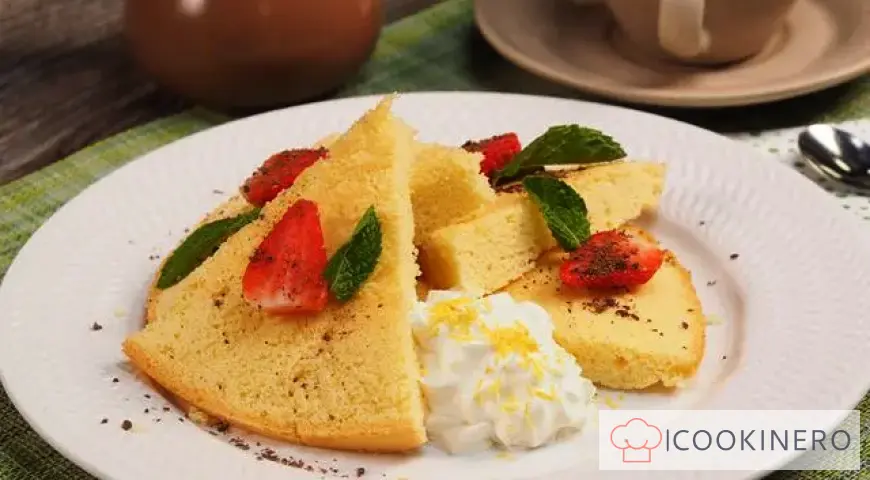
Rice sponge cake
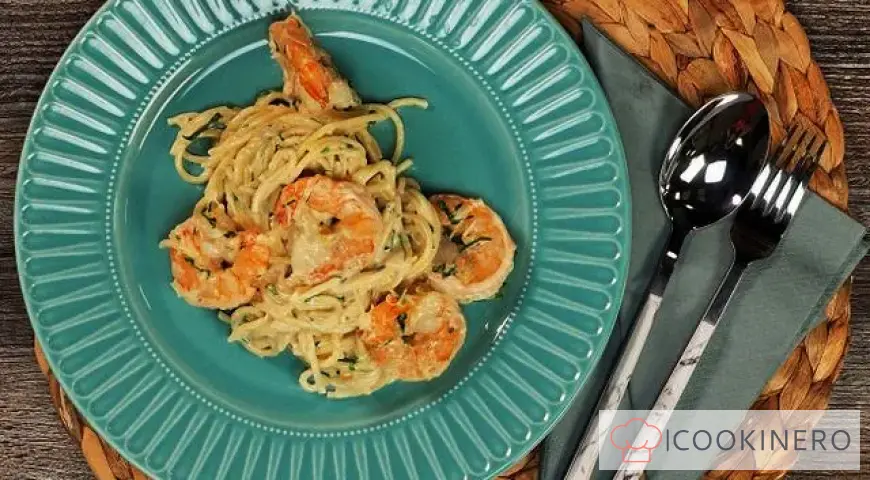
Spaghetti with shrimps in creamy garlic sauce
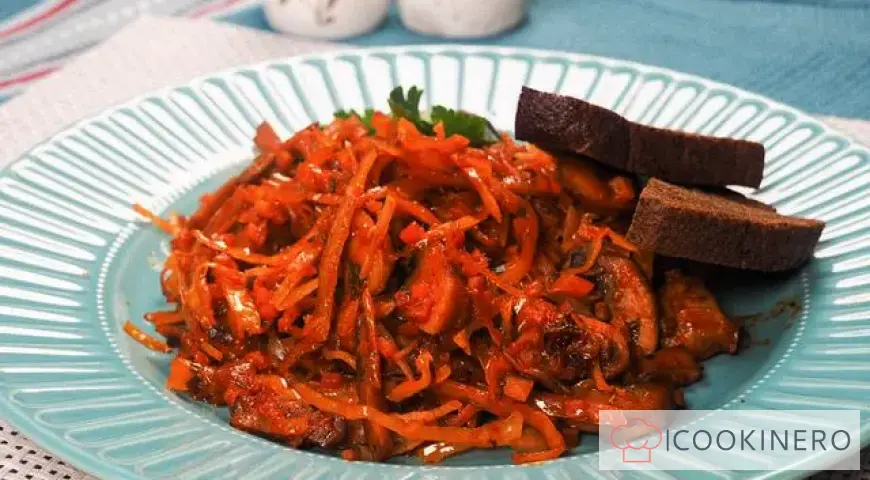
Cabbage with champignons
Beef Stroganoff with Mushrooms and Cream

Home jelly

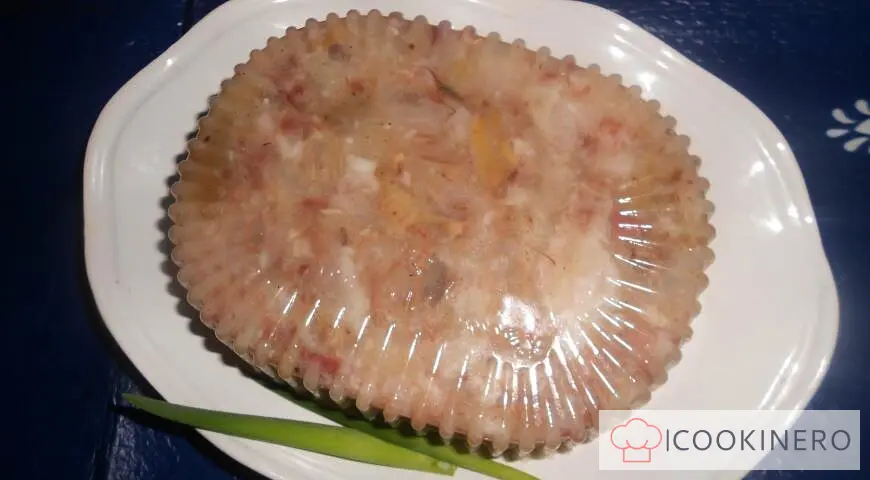
Since ancient times, jelly has been loved and cooked in almost any family: simple, well-known meat products make an excellent hearty dish that can feed a large company. This appetizer is suitable for the festive menu, and on the everyday table. The delicate gelatinous structure is obtained thanks to the extracted bone and cartilage substances, which are very beneficial for the joints. Kholodets can be served with garlic, black bread or boiled potatoes.
How to cook Home jelly
Step 1
Clean and rinse pork legs and beef. Pour in water to completely cover the meat.
Step 2
Bring to a boil, salt, pepper, add finely chopped garlic. Cook over very low heat for about 2.5-3 hours.
Step 3

Drain the broth. Cool the meat products a little. Separate the meat from the bones, cut into large pieces or chop with your hands. Pour in broth. Put in a cold place, let it dry completely.
Step 4

Before serving, cut into portions.
Home jelly - FAQ About Ingredients, Baking Time and Storage
Reviews: 0
0 Overall ratingHave you already prepared this recipe? Tell what you think.
Write a review
Trending

Azu in Tatar style
Azu is a Tatar dish that gained popularity in Soviet times. Traditionally, azu is made from lamb or beef, with onions, potatoes and pickles added. Everything is cut into strips and stewed in tomato sauce.


Funchoza with pork
Funchoza with pork is a Korean dish that is prepared very quickly from glass noodles with meat, vegetables, soy sauce and spices. Funchoza with pork is spicy and aromatic. The noodles become transparent during cooking and absorb not only the taste an


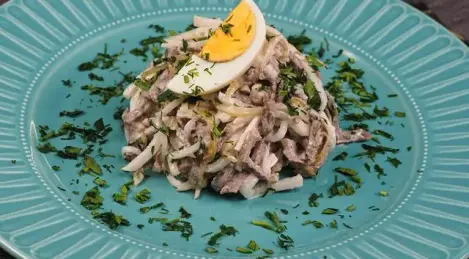
Tashkent Salad with Radish
The recipe for a salad with radish and beef is called "Tashkent". The root vegetable is popular in Uzbekistan. It is used to make a variety of salads, appetizers and even lagman. The Tashkent salad is an excellent option for a simple and he