 English
 Deutsch
 español
 français
 italiano

-
Newest

Light salmon roll
Omelette with cherry tomatoes and cheese
Rice sponge cake
Spaghetti with shrimps in creamy garlic sauce
Cabbage with champignons
Beef Stroganoff with Mushrooms and Cream

Steamed turnips in a slow cooker

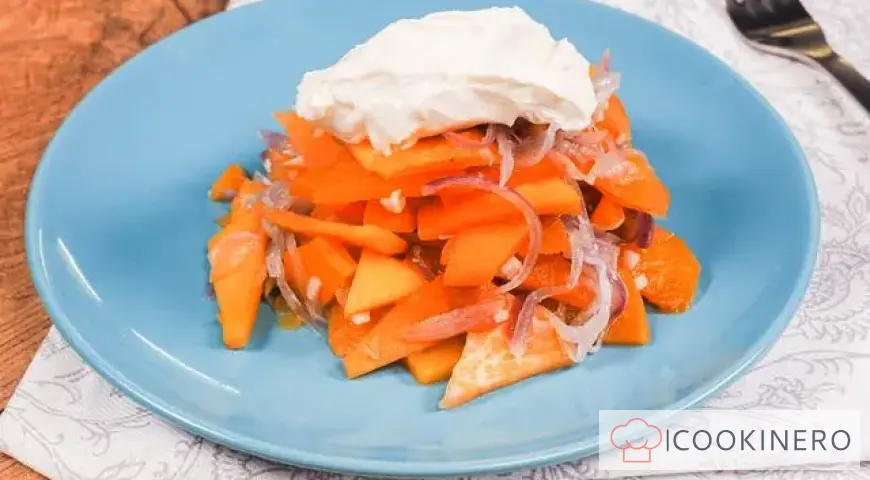
In Rus', turnips were prepared in different ways, except for one - they were not steamed in a multicooker. The recipe is very simple. It turns out not only a tasty, but also a healthy dish. Turnips are rich in vitamin C, iron, iodine, potassium, and fiber. Steamed turnips in a multicooker retain all the nutrients. To choose a good root vegetable, pay attention to its skin. It should be smooth and elastic - then the pulp will be juicy.
How to cook Steamed turnips in a slow cooker
Step 1
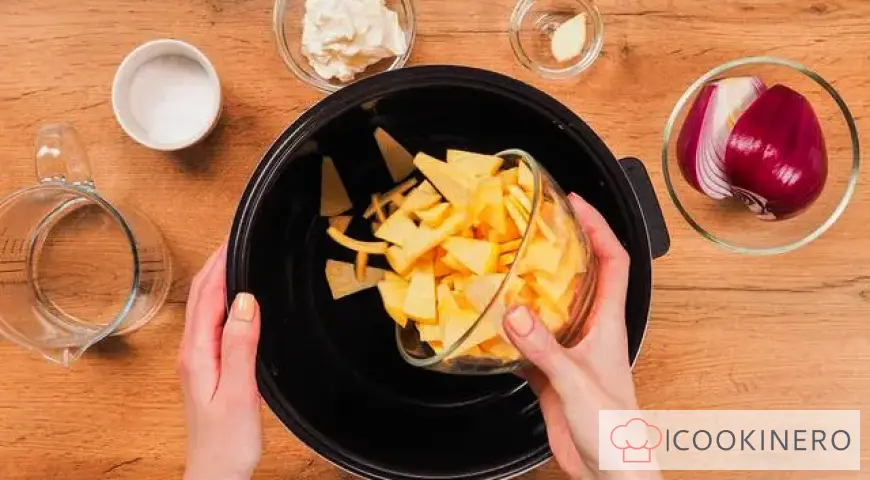
Prepare the turnip. Cut the root vegetable into medium-sized slices. Place in the multicooker bowl and fill with water. Turn on the steam cooking mode and cook for 20 minutes.
Step 2
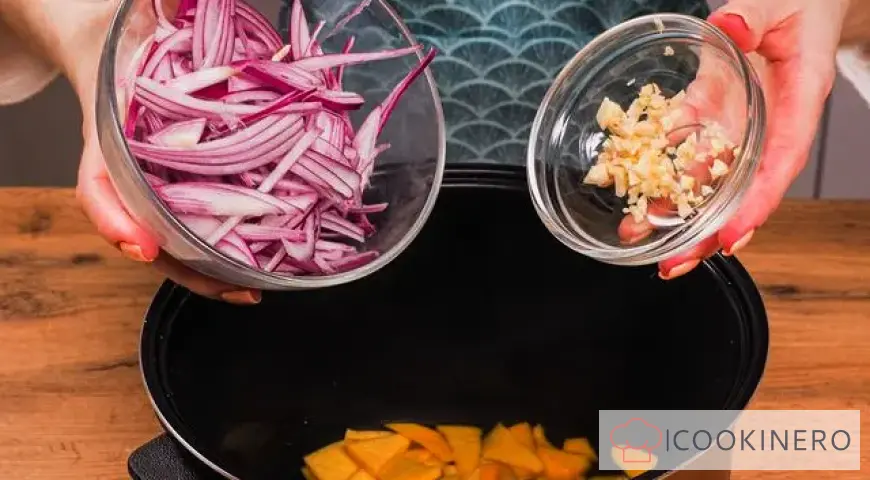
Add vegetables. Cut the onion into half rings. Finely chop the garlic. 5 minutes before the end of cooking, add the onion and garlic to the multicooker, add salt to taste.
Steamed turnips in a slow cooker - FAQ About Ingredients, Baking Time and Storage
Reviews: 0
0 Overall ratingHave you already prepared this recipe? Tell what you think.
Write a review
Trending
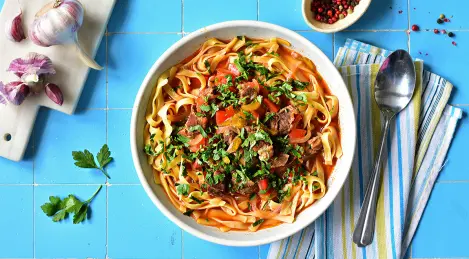
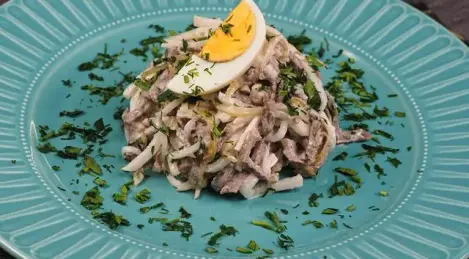
Tashkent Salad with Radish
The recipe for a salad with radish and beef is called "Tashkent". The root vegetable is popular in Uzbekistan. It is used to make a variety of salads, appetizers and even lagman. The Tashkent salad is an excellent option for a simple and he

Azerbaijani kutabs
Kutaby (or gutaby) is a traditional Azerbaijani snack, a thin pie with a filling of ground beef or lamb with the addition of lamb fat. Onions, herbs, cheese, and sometimes even pumpkin are also used for the filling of kutaby. Kutaby are fried in a dr
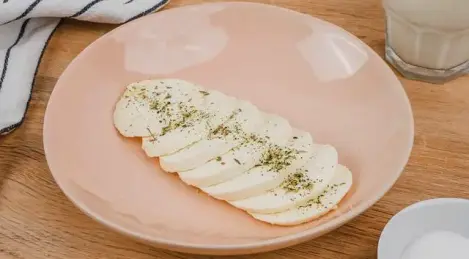
Adyghe cheese at home
Adyghe cheese is soft and tender. Moderately salty, aromatic and dense. You can cook many dishes of Caucasian cuisine with this cheese. You can also make this cheese at home, and do it without much difficulty.
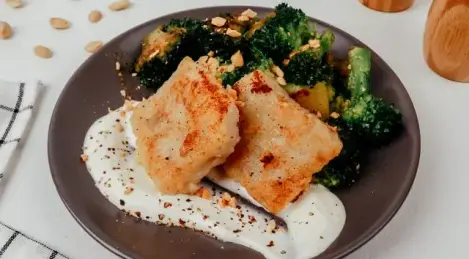
Fried pollock with broccoli
Pollock is one of the most popular fish in dietary cuisine. Pollock fillet contains many useful elements, vitamins, phosphorus and is low in calories. Broccoli and pollock go well together. For maximum benefit and to preserve the beneficial propertie