 English
 Deutsch
 español
 français
 italiano

-
Newest

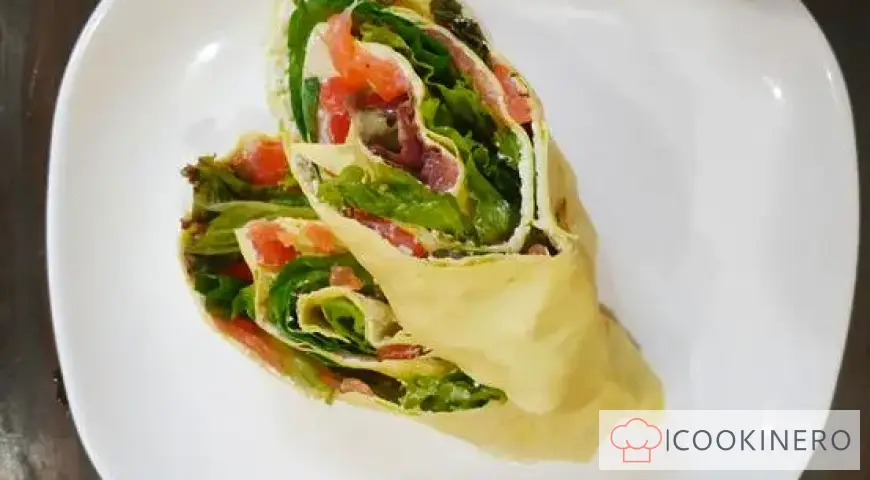
Light salmon roll
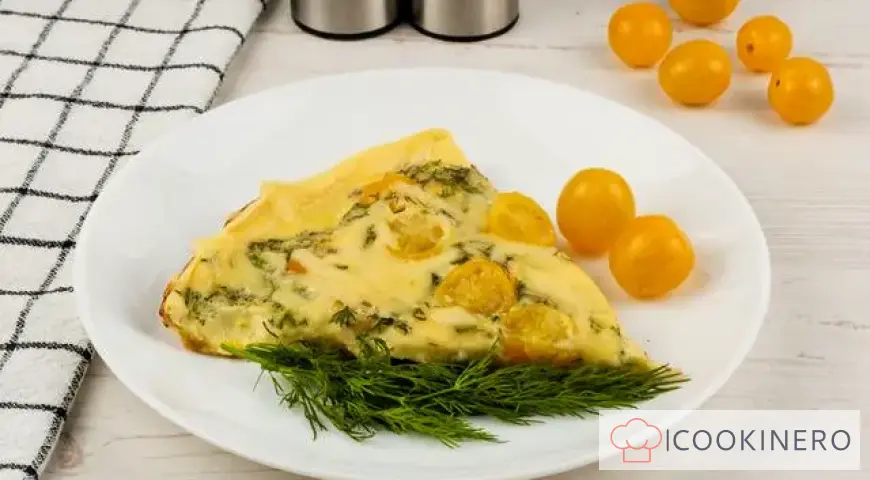
Omelette with cherry tomatoes and cheese
Rice sponge cake
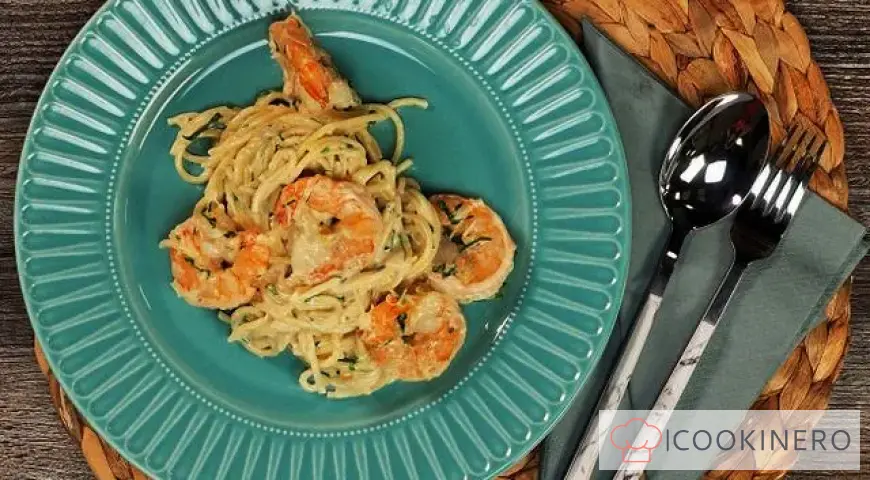
Spaghetti with shrimps in creamy garlic sauce
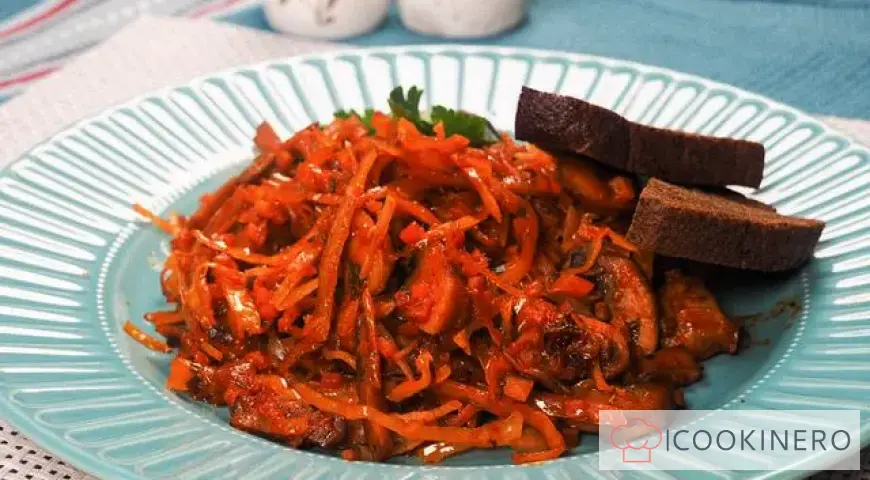
Cabbage with champignons
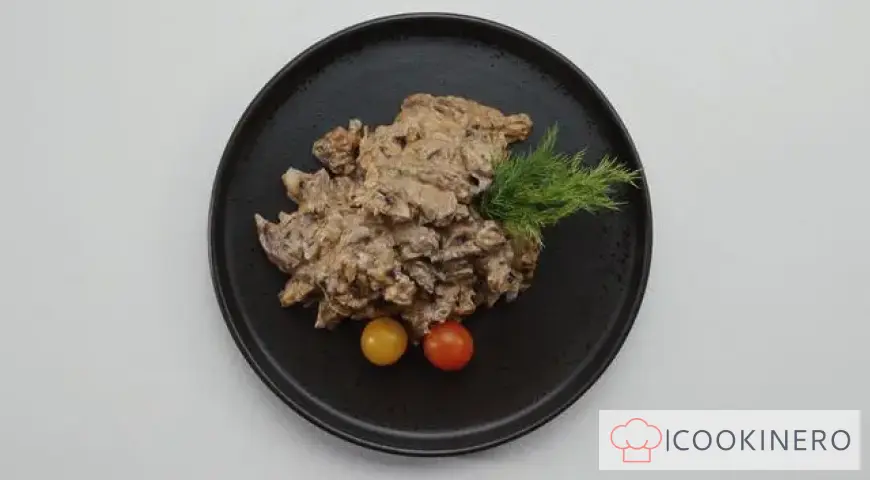
Beef Stroganoff with Mushrooms and Cream

Pasta with feta and tomatoes

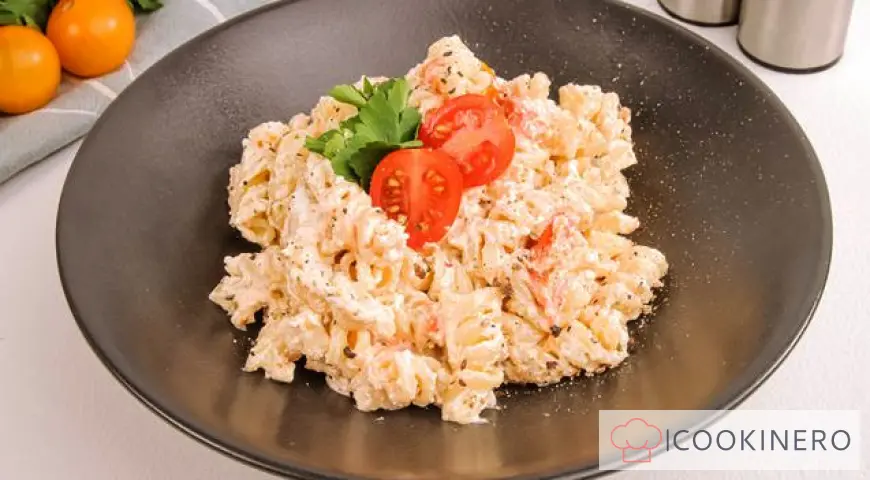
The original recipe for pasta with feta and tomatoes is an interesting variety for a weekday lunch. Delicate and very quick to prepare, the dish gives a very unique taste. Salty feta cheese with sour notes of cherry tomatoes are combined in one recipe, giving birth to an unusual combination! Feta is a dairy product, so it contains a huge amount of lactobacilli, calcium and phosphorus! And cherry tomatoes are one of the most useful antioxidant vegetables!
How to cook Pasta with feta and tomatoes
Step 1

Take a saucepan, put the water on the gas. After the moment of boiling, put the pasta in the water and cook it until it is “al dente”, i.e. not until it is completely soft (5-7 minutes).
Step 2

Chop the garlic.
Step 3

Drain the pasta through a colander.
Step 4

Take a baking dish and grease it with olive oil.
Step 5

Place feta cheese in a mold.
Step 6

Place cherry tomatoes in a baking dish.
Step 7

Sprinkle the herb mixture over the top.
Step 8

Add garlic.
Step 9

Place the dish in the oven at 230 C for 20 minutes.
Step 10

Stir in feta cheese and cherry tomatoes.
Step 11

Place the pasta on top.
Step 12

Stir in pasta, feta cheese and cherry tomatoes.
Pasta with feta and tomatoes - FAQ About Ingredients, Baking Time and Storage
Reviews: 0
0 Overall ratingHave you already prepared this recipe? Tell what you think.
Write a review
Trending

Azu in Tatar style
Azu is a Tatar dish that gained popularity in Soviet times. Traditionally, azu is made from lamb or beef, with onions, potatoes and pickles added. Everything is cut into strips and stewed in tomato sauce.

Hearty sandwich with Vienna sausages
We tell you how to make an unusual and very filling filling for a sandwich. We used Viennese sausages as a basis. They are the best choice, as they do not have much fat. And to complete the taste, we added a boiled egg and lecho. All that remains is
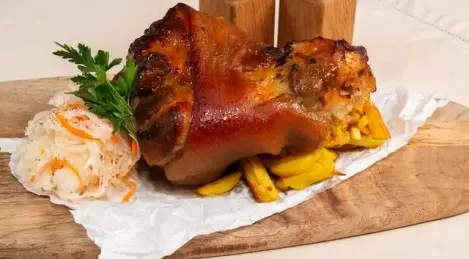
Czech style pork knuckle
The recipe for pork knuckle, or as they say in the Czech Republic, "veprova knelna", involves stewing the meat in beer for quite a long time and then baking it in the oven. Czech pork knuckle is juicy and tender baked meat with a unique aro

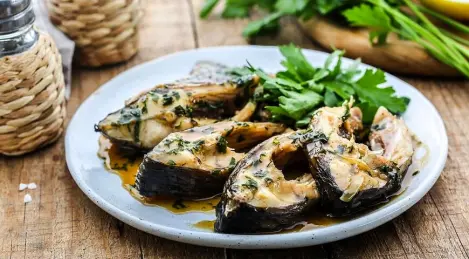


Adyghe cheese at home
Adyghe cheese is soft and tender. Moderately salty, aromatic and dense. You can cook many dishes of Caucasian cuisine with this cheese. You can also make this cheese at home, and do it without much difficulty.