
Imamate

Cookinero 5 Mar 2025

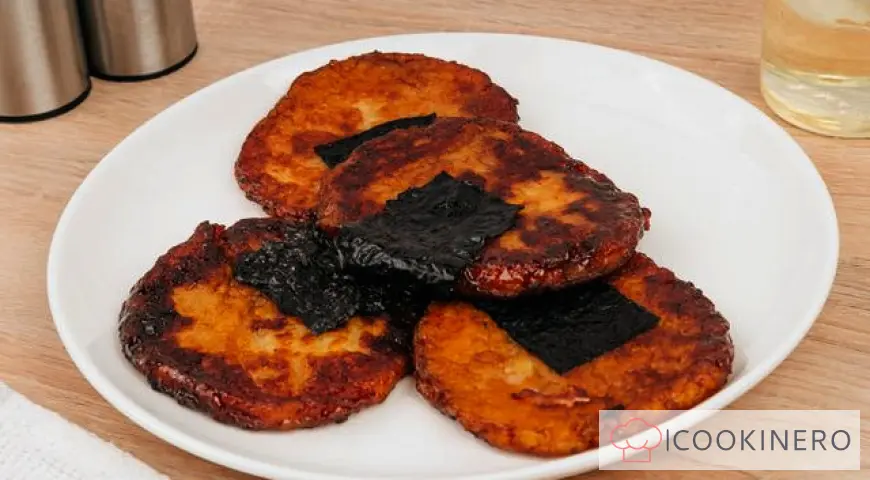
Japanese cuisine came to Russia relatively recently, but has already managed to occupy its niche. The Japanese especially respect seafood, seasonal products, national serving and decoration of dishes. Imomoti is one of the interesting and familiar to us dishes of this people. It is prepared on the island of Hokkaido from potatoes. Such potato pancakes are easy to prepare and diversify the usual taste of a familiar vegetable.

How to cook Imamate

Step 1
Imomoti

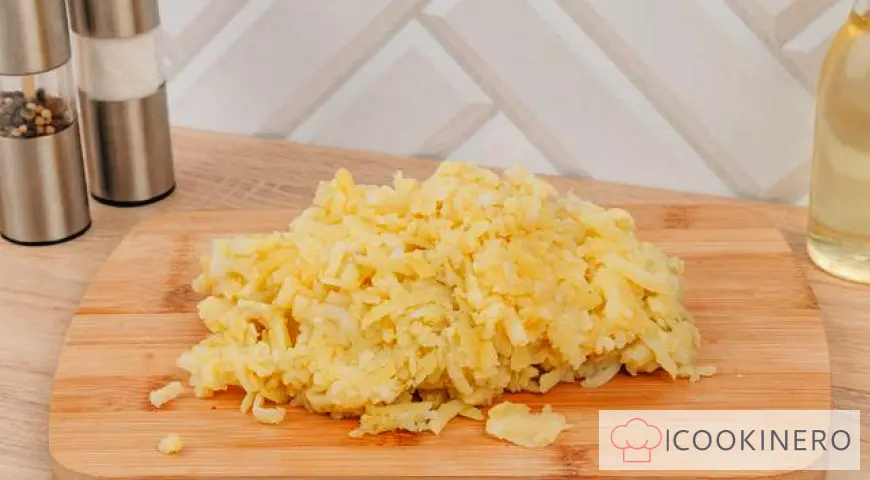
Peel the potatoes and grate them on a coarse grater.

Step 2
Imomoti

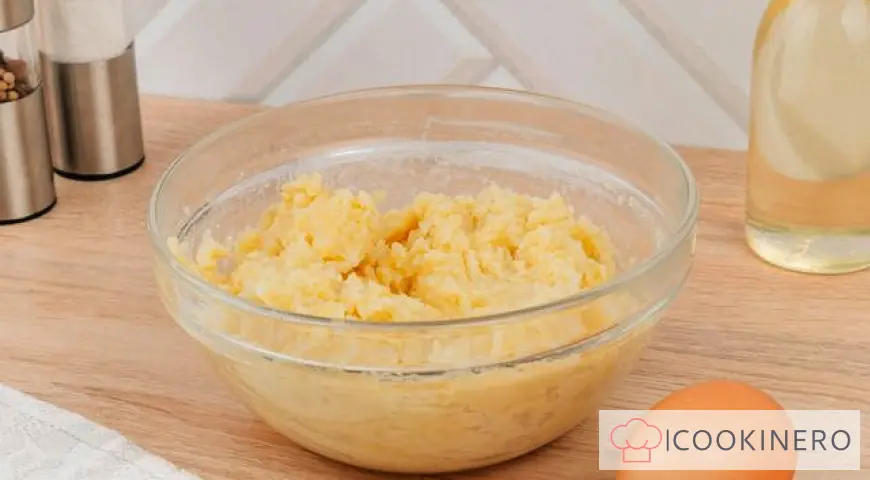
Mix grated potatoes, starch, egg, milk and spices in a separate container.

Step 3
Imomoti

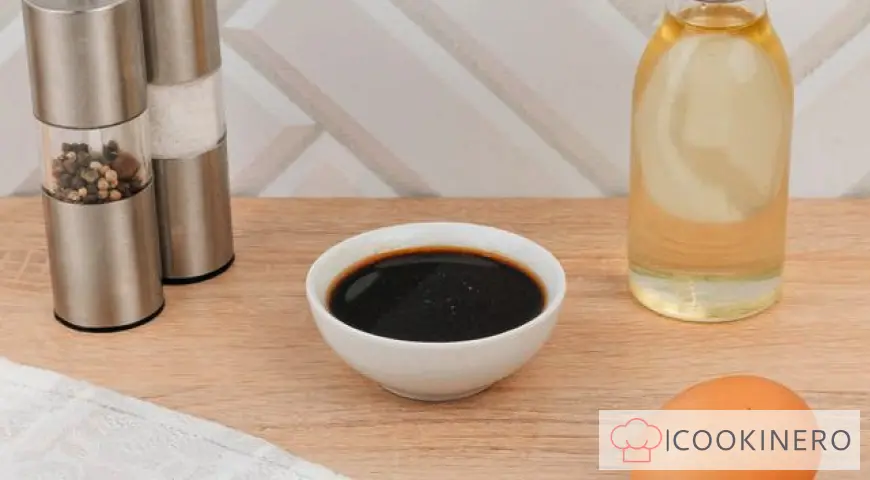
Mix soy sauce and lemon juice.

Step 4
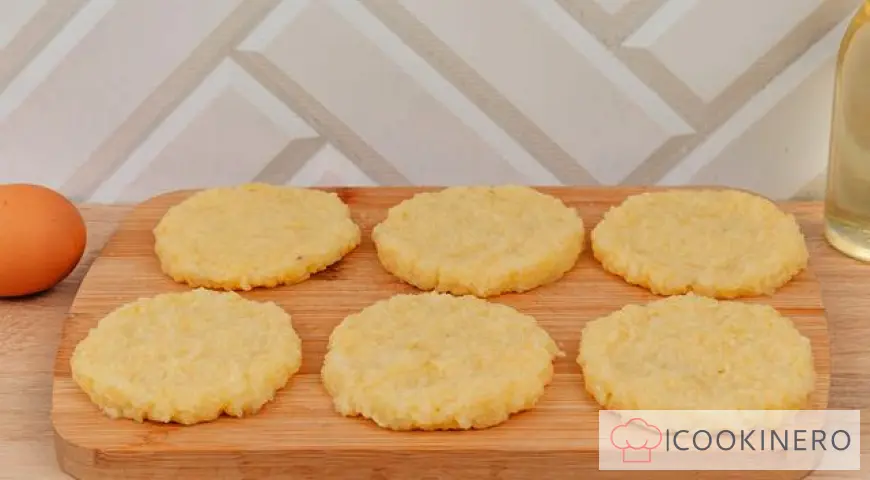
Imomoti

Form the potatoes into small, plump patties.

Step 5
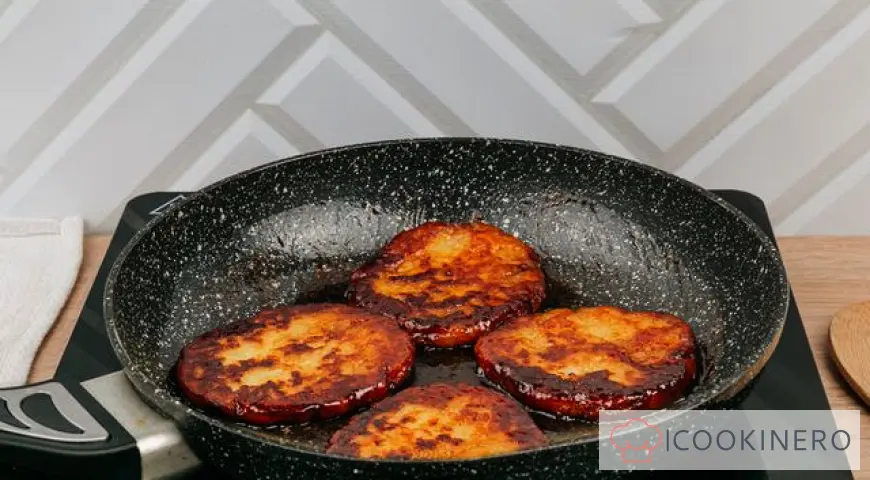
Imomoti

Fry the flatbreads in vegetable oil on both sides until golden brown, about 2 minutes on each side.

Step 6
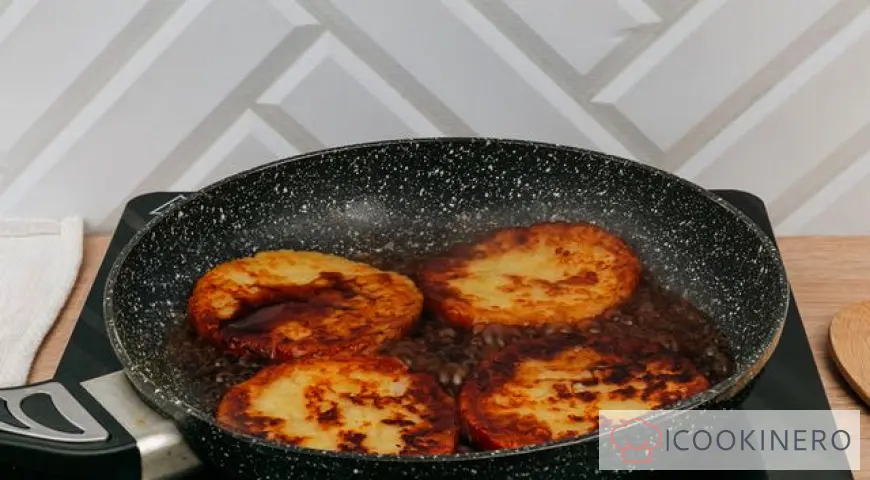
Imomoti

Pour soy sauce over the pancakes, cover the pan with a lid and simmer them for 3 minutes on each side.

Imamate - FAQ About Ingredients, Baking Time and Storage

Yes, you can use almond milk, oat milk, or any other non-dairy milk as a substitute for regular milk.
Store them in an airtight container in the fridge for up to 3 days. Reheat in a skillet over medium heat or in the microwave for 1-2 minutes.
Yes, replace the soy sauce with tamari or a gluten-free soy sauce alternative, and ensure your starch is gluten-free (like cornstarch or arrowroot).
Serve them with a side of sour cream, yogurt, or a fresh salad. They also pair well with pickled vegetables or a drizzle of hot sauce.
Yes, place the formed patties on a baking sheet to freeze individually, then transfer to a freezer bag. Cook from frozen, adding extra frying time.
Reduce the amount of potatoes by half and add grated zucchini or cauliflower for a lower-carb version.
Vegetable oil, sunflower oil, or avocado oil work well due to their high smoke points and neutral flavors.
Yes, bake at 375°F (190°C) on a greased tray for 20-25 minutes, flipping halfway through, until golden brown.

Reviews: 0

0 Overall rating
5
0
4
0
3
0
2
0
1
0

Have you already prepared this recipe? Tell what you think.

Write a review

Will be displayed on the comment.
Your review must be at least 50 characters.

Trending

Azu in Tatar style

Azu is a Tatar dish that gained popularity in Soviet times. Traditionally, azu is made from lamb or beef, with onions, potatoes and pickles added. Everything is cut into strips and stewed in tomato sauce.
Beef shurpa

Shulum, chorpa, shorpo, sorpa... In different countries, shurpa is called by different names, but it looks about the same everywhere: a rich soup with meat and vegetables. Various herbs and spices can be added to it, or it can be made on the basis of

Kundyumy

Surprisingly, Russian dumplings can also be lenten - let's remember the old recipe for kundums. Although their main feature is that immediately after molding kundyums are fried, and then they are poured with broth, most often mushrooms, sour crea

Salad "Tbilisi"

Tbilisi salad is a popular Georgian salad with beef, red beans, sweet peppers, cilantro and walnuts. It is distinguished by its fresh spicy taste, because chili peppers, garlic and khmeli-suneli spices are added to it. The salad is traditionally dres

Asian Spritz

Three ingredients point to the Asian origin of this "Squirt": soju - the Korean national drink, the juice of the Asian citrus fruit yuzu and another citrus - pomelo.

Beef knuckle

The special value of the beef knuckle (the lower part of the beef carcass leg) is the marrow bone, rich in nutrients. The recipe recommends using meat from young animals no more than 20 months old. It can be distinguished by the rich red and pink col

Khinkal in Dagestan style

Khinkal is a traditional Caucasian dish. It is often confused with such a famous Georgian dish as khinkali. And, although the set of products in both dishes is quite similar, they are nevertheless different. Traditionally, khinkal is prepared on the

Categories Menu Recipes
Top