 English
 Deutsch
 español
 français
 italiano

-
Newest

Light salmon roll
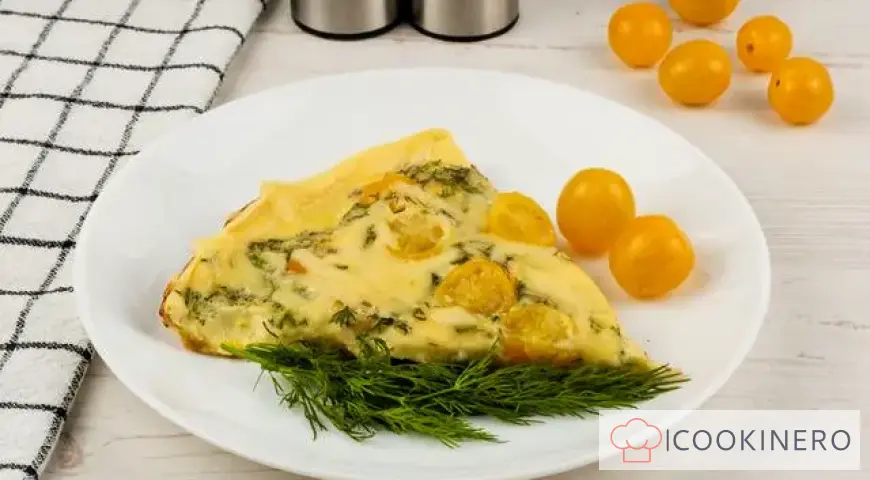
Omelette with cherry tomatoes and cheese
Rice sponge cake
Spaghetti with shrimps in creamy garlic sauce
Cabbage with champignons
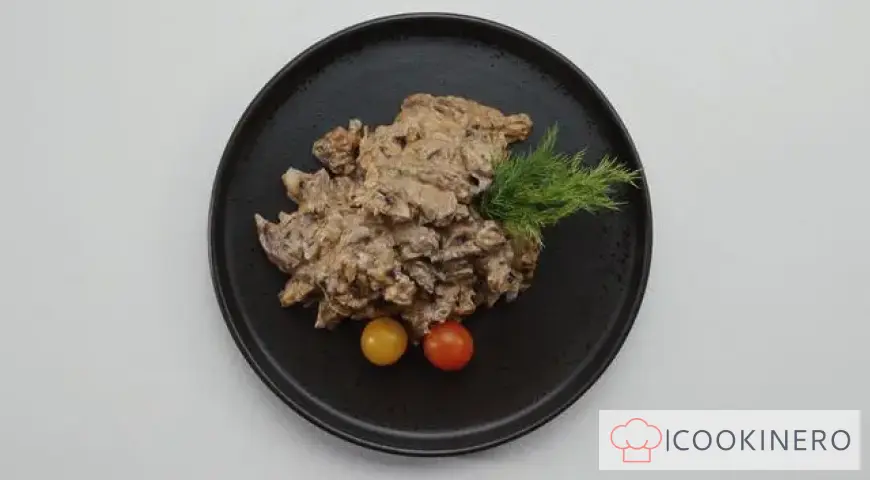
Beef Stroganoff with Mushrooms and Cream




Poached egg with vinegar


How to cook a poached egg? Do you need to add vinegar to it? Housewives have many questions about how to cook this dish, since the information on the Internet is often very contradictory. But a poached egg in a saucepan with vinegar is one of the most popular recipes. Vinegar is not a mandatory ingredient in this dish. But if you want to achieve maximum protein coagulation, you cannot do without it.
How to cook Poached egg with vinegar
Step 1

Prepare a poached egg. Bring water to a boil in a saucepan or saucepan. Add vinegar. Stir vigorously with a spoon to form a whirlpool. Break an egg into the whirlpool. Cook for 3 minutes. Carefully remove from the water.
Poached egg with vinegar - FAQ About Ingredients, Baking Time and Storage
Reviews: 0
0 Overall ratingHave you already prepared this recipe? Tell what you think.
Write a review
Trending


Funchoza with pork
Funchoza with pork is a Korean dish that is prepared very quickly from glass noodles with meat, vegetables, soy sauce and spices. Funchoza with pork is spicy and aromatic. The noodles become transparent during cooking and absorb not only the taste an


Azu in Tatar style
Azu is a Tatar dish that gained popularity in Soviet times. Traditionally, azu is made from lamb or beef, with onions, potatoes and pickles added. Everything is cut into strips and stewed in tomato sauce.

Tashkent Salad with Radish
The recipe for a salad with radish and beef is called "Tashkent". The root vegetable is popular in Uzbekistan. It is used to make a variety of salads, appetizers and even lagman. The Tashkent salad is an excellent option for a simple and he

Czech style pork knuckle
The recipe for pork knuckle, or as they say in the Czech Republic, "veprova knelna", involves stewing the meat in beer for quite a long time and then baking it in the oven. Czech pork knuckle is juicy and tender baked meat with a unique aro

Azerbaijani kutabs
Kutaby (or gutaby) is a traditional Azerbaijani snack, a thin pie with a filling of ground beef or lamb with the addition of lamb fat. Onions, herbs, cheese, and sometimes even pumpkin are also used for the filling of kutaby. Kutaby are fried in a dr