
Pilaf for children

Cookinero 21 Oct 2025

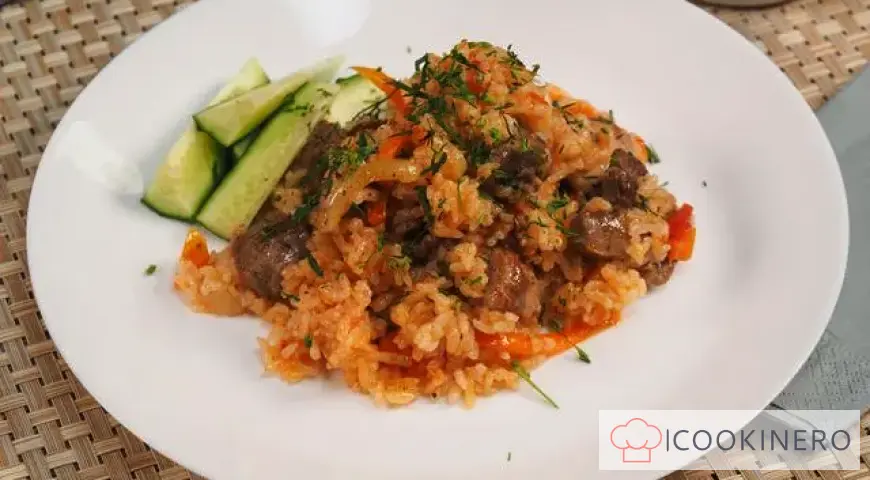
Special recipes are developed for kindergartens, including children's pilaf. All dishes for children are prepared according to them. In pilaf for children, served as in kindergarten, there is one nuance - the use of tomato puree.

How to cook Pilaf for children

Step 1

Pilaf for children

Make zirvak (vegetable and meat base for pilaf). Fry onion, meat and carrots one by one in vegetable oil until half cooked (10 minutes). Mix everything well, add tomato puree. Pour some water into the resulting mixture and bring to a boil. This will take 3-5 minutes.

Step 2
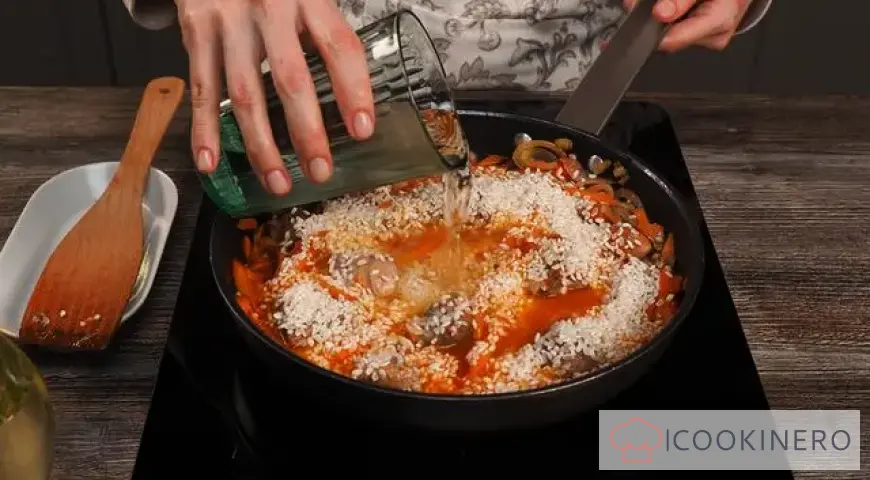
Pilaf for children

Prepare pilaf as in kindergarten. Pour rice into the pan and distribute evenly. Add liquid so that it covers the pilaf by 3 cm. Simmer until the water is absorbed.

Pilaf for children - FAQ About Ingredients, Baking Time and Storage

Yes, you can omit the meat and make a vegetarian pilaf. Simply follow the same steps, but increase the amount of vegetables like carrots and onions to add more substance. You might also want to add a protein source like chickpeas or lentils that have been cooked separately, adding them in at the end to warm through.
To scale up, proportionally increase all ingredients, especially the liquid. For the rice, use the 1:1.5 ratio of rice to liquid by volume as a starting point. Use a wider pan to ensure even cooking. You may need to slightly increase the cooking time, but be careful not to overcook the rice.
Store leftover pilaf in an airtight container in the refrigerator for up to 3-4 days. Reheat thoroughly in a pan or microwave, adding a tablespoon of water to prevent it from drying out. It is not recommended to freeze this pilaf as the rice can become mushy when thawed.
Mushy rice is often due to too much liquid or overcooking. Ensure you're using the correct rice-to-liquid ratio (1:1.5 for basmati-type rice works here). Also, after adding the rice, simmer on the lowest possible heat and do not stir. Let it rest, covered, for 10 minutes after cooking to finish absorbing liquid evenly.
Absolutely! Finely diced bell peppers, peas, or green beans would be great additions. Add them with the onions in Step 1 to ensure they cook through. Keep the pieces small so they integrate well with the rice. Avoid very watery vegetables like zucchini, as they can make the dish too wet.
Yes, but with care. Pilaf is best served fresh, but you can prepare the 'zirvak' (the meat and vegetable base) a few hours in advance. Keep it covered at room temperature. Then, just before serving, reheat the 'zirvak', add the rice and correct amount of hot water or broth, and cook as directed. This ensures the rice has the perfect texture.

Reviews: 0

0 Overall rating
5
0
4
0
3
0
2
0
1
0

Have you already prepared this recipe? Tell what you think.

Write a review

Will be displayed on the comment.
Your review must be at least 50 characters.

Trending

Borscht with prunes

Our borscht with prunes will be a real find for those who observe fasting or adhere to vegetarian dietary principles. Moreover, this first dish turns out to be unusually tasty and fragrant. Why? Because borsch is prepared on mushroom broth, and prune

Khinkal in Dagestan style

Khinkal is a traditional Caucasian dish. It is often confused with such a famous Georgian dish as khinkali. And, although the set of products in both dishes is quite similar, they are nevertheless different. Traditionally, khinkal is prepared on the

Kharcho with chicken

Usually kharcho is cooked in beef broth. But we decided to break the rules to get a slightly different, but no less tasty dish. Kharcho based on chicken will be more dietary, but in taste it will be the same famous Georgian soup, which you can easily

Beef knuckle

The special value of the beef knuckle (the lower part of the beef carcass leg) is the marrow bone, rich in nutrients. The recipe recommends using meat from young animals no more than 20 months old. It can be distinguished by the rich red and pink col

Categories Menu Recipes
Top