 English
 Deutsch
 español
 français
 italiano

-
Newest

Light salmon roll
Omelette with cherry tomatoes and cheese
Rice sponge cake
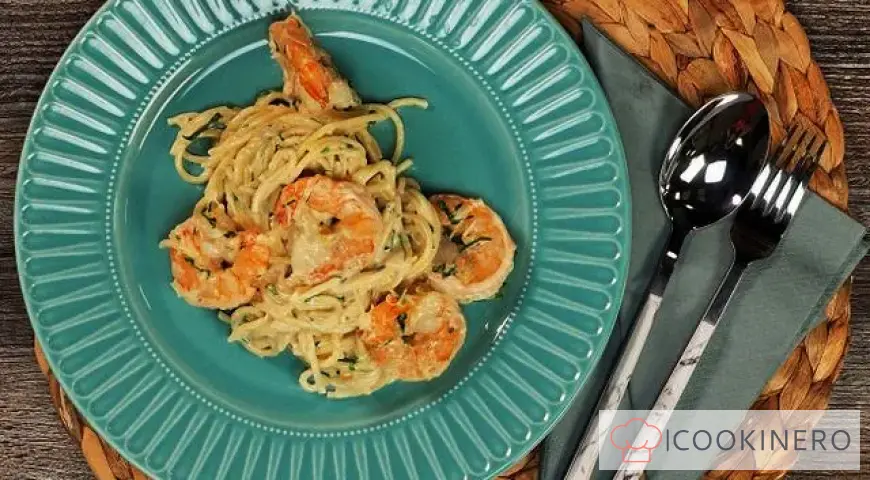
Spaghetti with shrimps in creamy garlic sauce
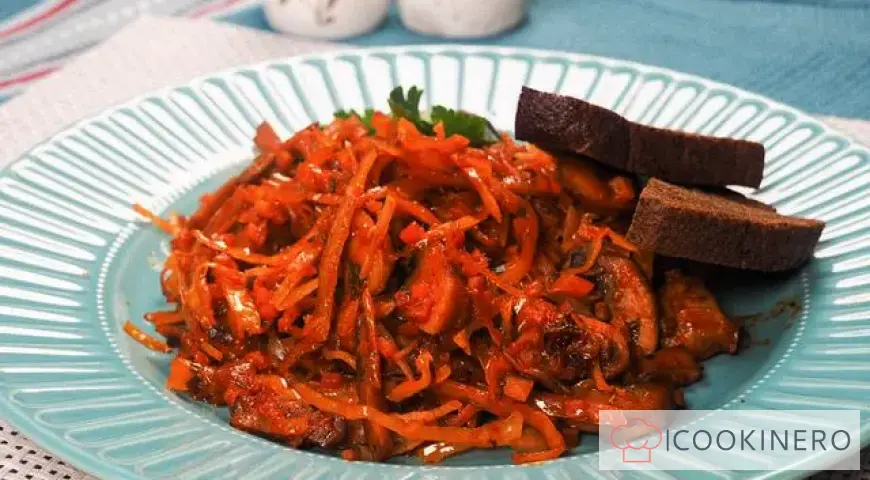
Cabbage with champignons
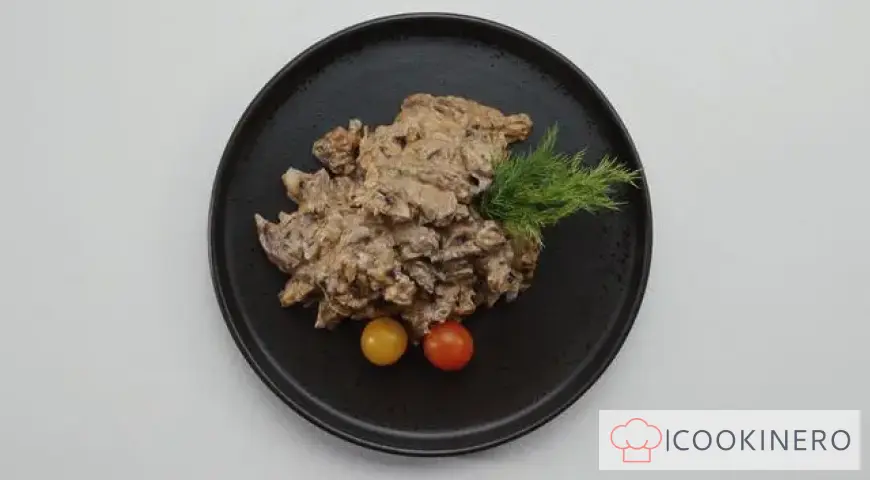
Beef Stroganoff with Mushrooms and Cream



Listen

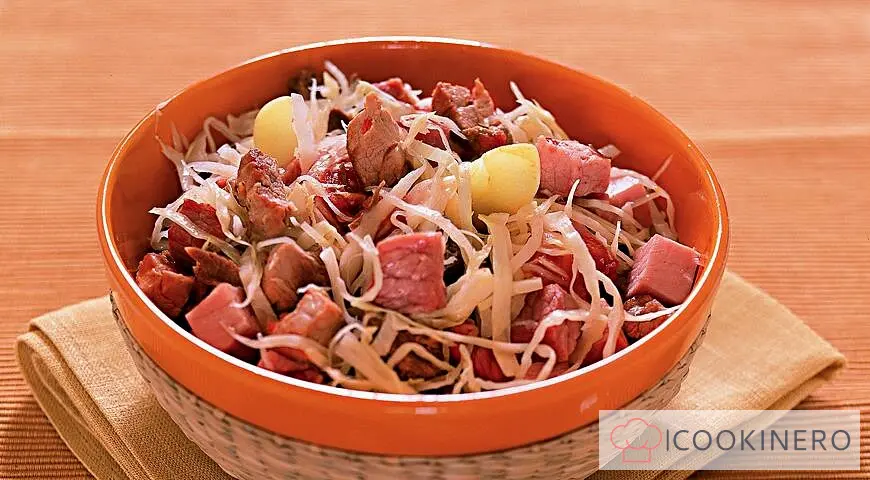
The ratio of meat and cabbage in bigus should be at least one to one. You can even add more meat.
How to cook Listen
Step 1
Peel tomatoes and seeds, finely chop. Coarsely chop the soaked apple, removing the seeds. Cut the cabbage into strips, fry in vegetable oil for 5 minutes, add the broth, prunes, apple and tomatoes.
Step 2
Simmer for 15 minutes, at the end add spices, bay leaf, sugar and wine. Let the wine evaporate and remove from heat. Cut the tenderloin into cubes with a side of 2 cm and fry in vegetable oil for 5 minutes. Add the rest of the meat products, diced; cook, stirring, for another 5 minutes. Transfer to a pot in layers, alternating meat products and cabbage (the last layer is cabbage) and sweat for 10 minutes. in an oven preheated to 150C. Serve with sour cream and herbs.
Reviews: 0
0 Overall ratingHave you already prepared this recipe? Tell what you think.
Write a review
Trending


Azu in Tatar style
Azu is a Tatar dish that gained popularity in Soviet times. Traditionally, azu is made from lamb or beef, with onions, potatoes and pickles added. Everything is cut into strips and stewed in tomato sauce.


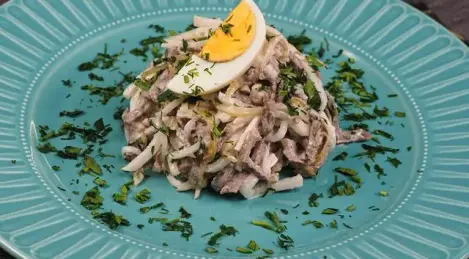
Tashkent Salad with Radish
The recipe for a salad with radish and beef is called "Tashkent". The root vegetable is popular in Uzbekistan. It is used to make a variety of salads, appetizers and even lagman. The Tashkent salad is an excellent option for a simple and he

Fried pollock with broccoli
Pollock is one of the most popular fish in dietary cuisine. Pollock fillet contains many useful elements, vitamins, phosphorus and is low in calories. Broccoli and pollock go well together. For maximum benefit and to preserve the beneficial propertie