 English
 Deutsch
 español
 français
 italiano

-
Newest

Light salmon roll
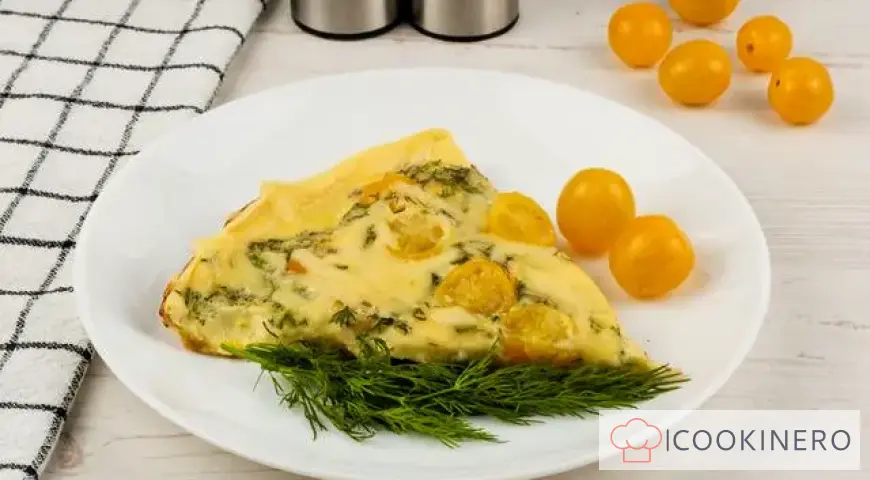
Omelette with cherry tomatoes and cheese
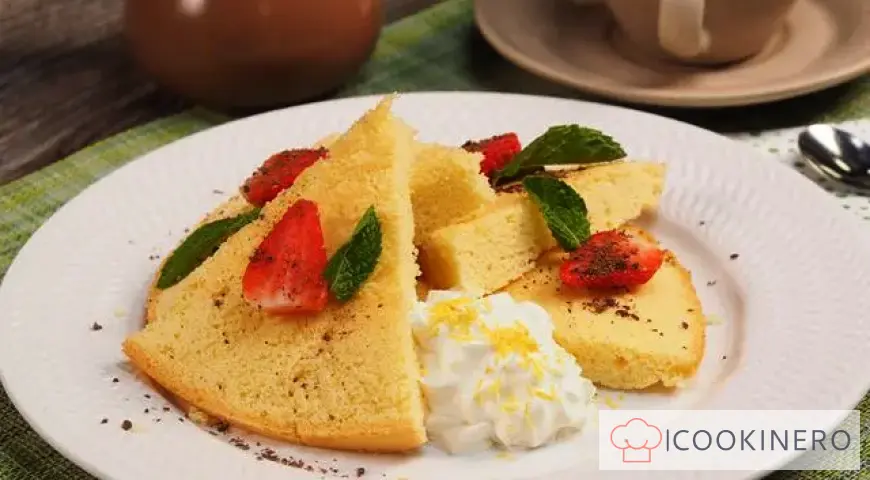
Rice sponge cake
Spaghetti with shrimps in creamy garlic sauce
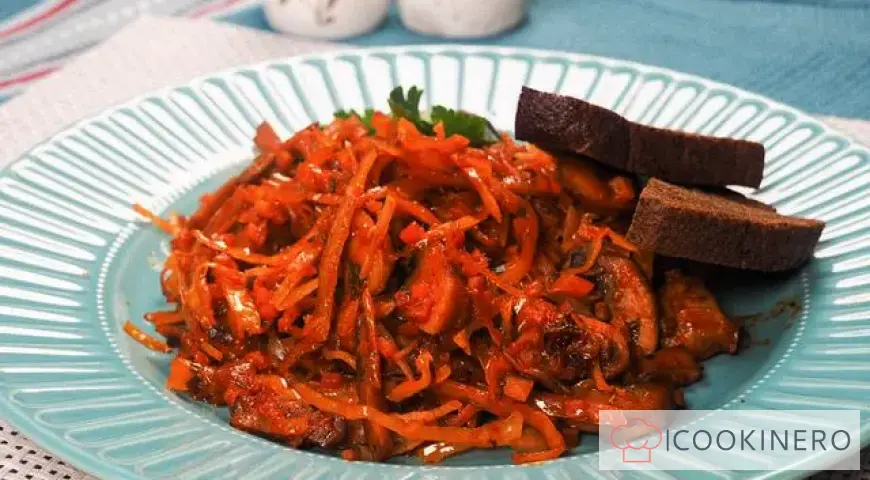
Cabbage with champignons
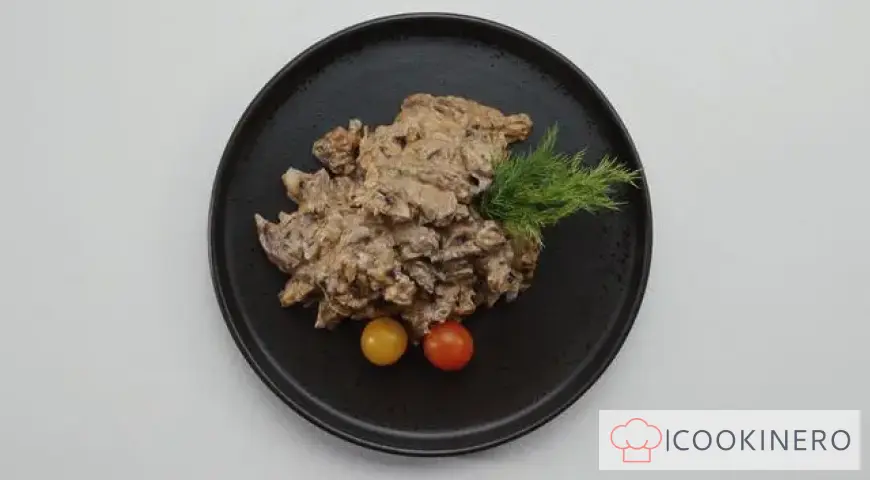
Beef Stroganoff with Mushrooms and Cream


Polish Easter cake

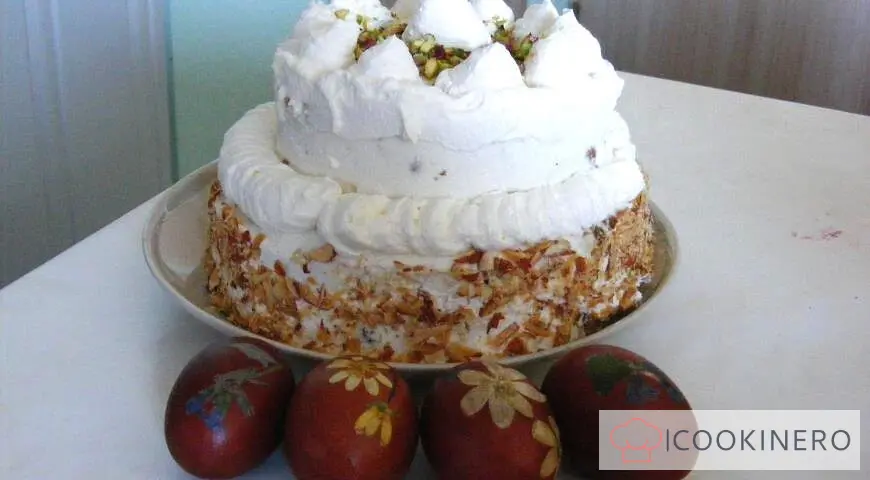
Based on the recipe of the Polish Easter cake. I got a little more dough than my only form, so I baked a small foil-shaped cake from the rest of the dough and used it as a second tier, and decorated the cake like a cake. The dough of the finished cake resembles a rich cake.
How to cook Polish Easter cake
Step 1
Sift the flour into a bowl and make a well in the center. Crumble the yeast into the well and dilute with warm milk with a little sugar and flour. Cover bowl and let rise for 20 minutes.
Step 2
When the dough rises, add melted butter, sugar, salt, eggs, lemon and orange zest and knead the dough. Rinse the raisins, add to the dough and mix again.
Step 3
Grease the form with butter and sprinkle with flour. Pour the dough into a mold and leave to rise for 30 minutes. Preheat the oven to 200 degrees. As a cake, bake it for about 40 minutes.
Step 4
Cool the finished cake in the form, and then put it on a plate. Whip cream with sugar until creamy. Cover Easter cake with cream, garnish with almonds and pistachios.
Reviews: 0
0 Overall ratingHave you already prepared this recipe? Tell what you think.
Write a review
Trending
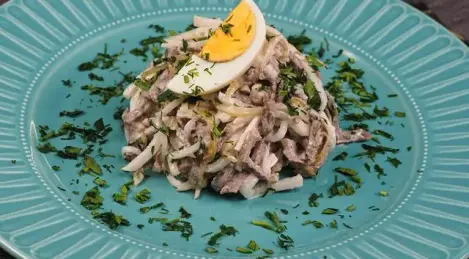
Tashkent Salad with Radish
The recipe for a salad with radish and beef is called "Tashkent". The root vegetable is popular in Uzbekistan. It is used to make a variety of salads, appetizers and even lagman. The Tashkent salad is an excellent option for a simple and he
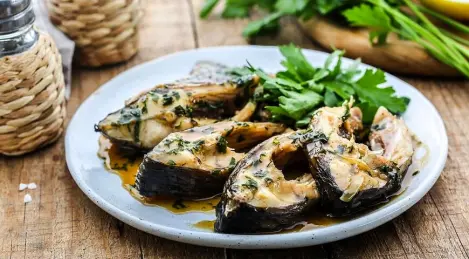

Azu in Tatar style
Azu is a Tatar dish that gained popularity in Soviet times. Traditionally, azu is made from lamb or beef, with onions, potatoes and pickles added. Everything is cut into strips and stewed in tomato sauce.
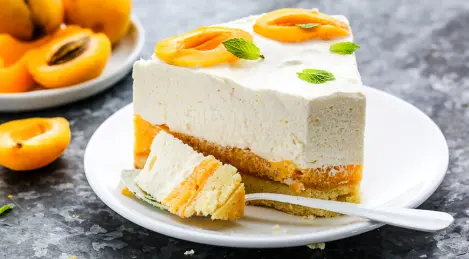

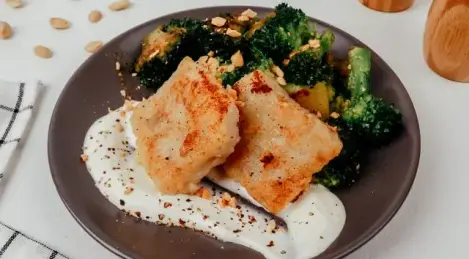
Fried pollock with broccoli
Pollock is one of the most popular fish in dietary cuisine. Pollock fillet contains many useful elements, vitamins, phosphorus and is low in calories. Broccoli and pollock go well together. For maximum benefit and to preserve the beneficial propertie