 English
 Deutsch
 español
 français
 italiano

-
Newest

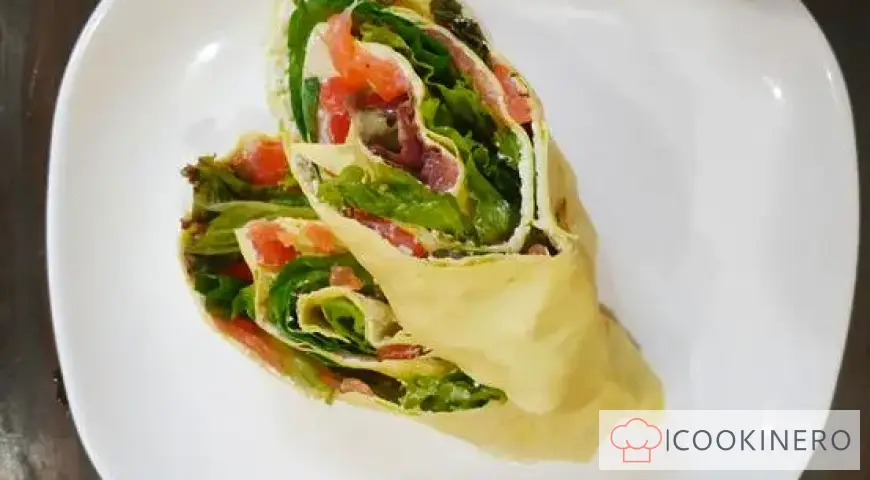
Light salmon roll
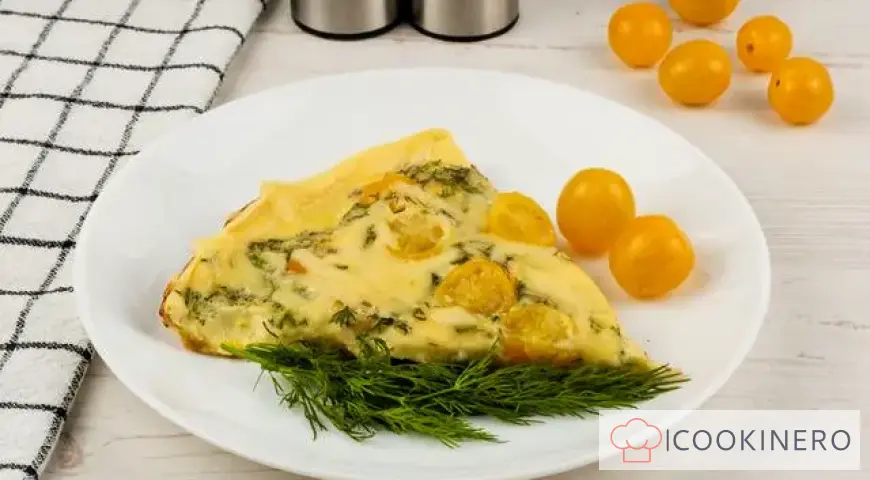
Omelette with cherry tomatoes and cheese
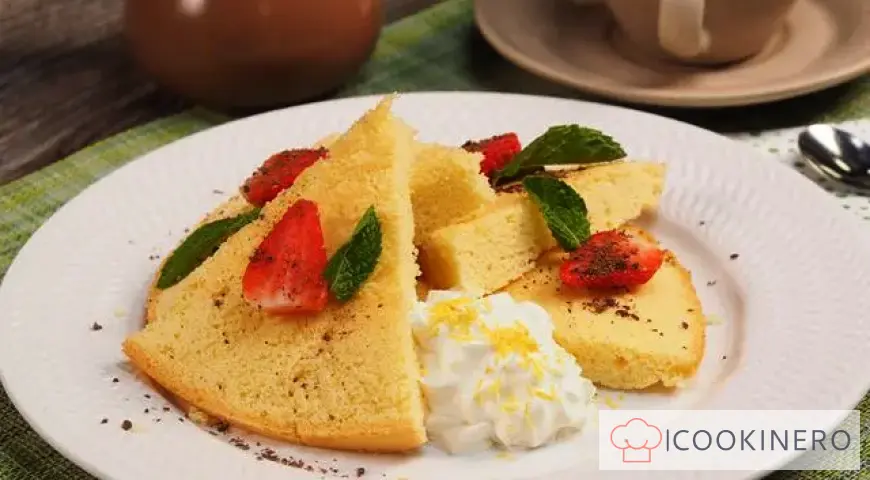
Rice sponge cake
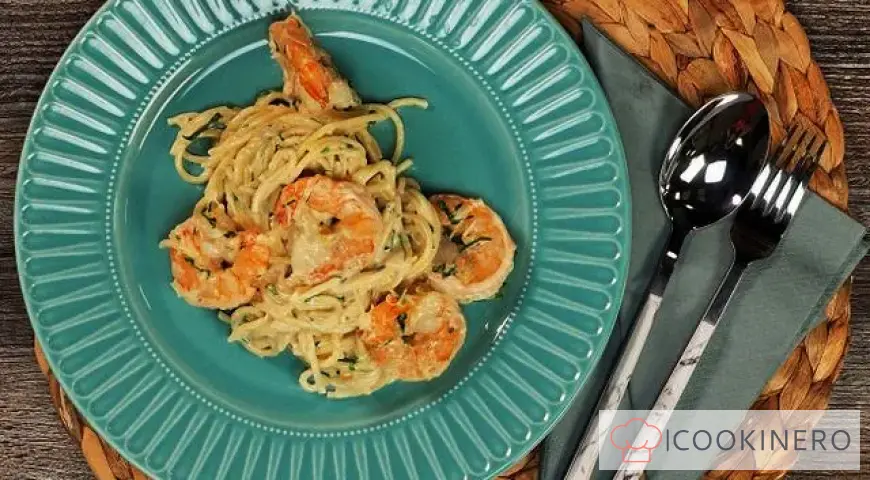
Spaghetti with shrimps in creamy garlic sauce
Cabbage with champignons
Beef Stroganoff with Mushrooms and Cream
Easter cake gluten free

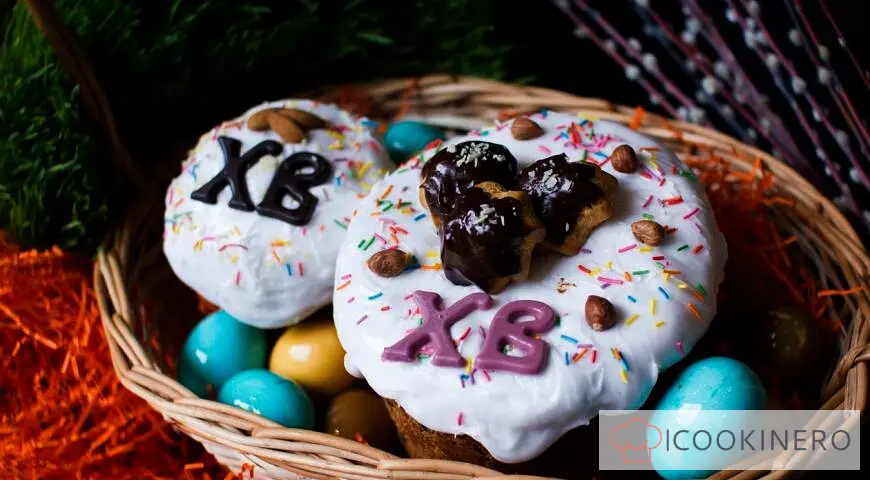
The recipe for gluten-free Easter cake was specially created for those who for some reason do not eat dishes with ordinary wheat flour containing gluten. It should be noted that such pastries are no less tasty than traditional ones. And the appearance of gluten-free Easter cakes causes the most positive emotions! But that's not all. Cooking luten-free Easter cakes takes several times less time compared to traditional ones. Therefore, it is quite possible that such pastries will arouse gastronomic interest among people who do not need food restrictions.
How to cook Easter cake gluten free
Step 1
Prepare the ingredients for the gluten-free cake. First of all, rinse the raisins thoroughly with running water and place in a bowl. Pour warm water over and leave for 15 minutes at room temperature.
Step 2
Prepare the molds for the cakes. Cut out circles from the baking paper according to the diameter of the bottoms and grease both sides with coconut oil. Place inside the molds so that the side surfaces are also covered by 2-3 cm.
Step 3
Heat the oven to 180°C. Sift all dry ingredients, except baking soda, into a large bowl and mix. Pour in the milk. Stir again. Add coconut oil, baking soda and dried raisins. Mix thoroughly.
Step 4
Spread the resulting dough immediately into the prepared molds. Fill them no more than 3/4 of the height: such a margin is necessary to lift the Easter cakes during baking.
Step 5
Put the molds with the dough in the oven and bake for 30-40 minutes. If the tops of the cakes start to brown too much, cover them with circles cut out of baking parchment or foil.
Step 6
Let the gluten-free cookies cool slightly in the pans under a towel. Then lay them on their side and leave for 5 minutes. Then carefully place the cakes on a wire rack and let cool completely.
Reviews: 0
0 Overall ratingHave you already prepared this recipe? Tell what you think.
Write a review
Trending

Hearty sandwich with Vienna sausages
We tell you how to make an unusual and very filling filling for a sandwich. We used Viennese sausages as a basis. They are the best choice, as they do not have much fat. And to complete the taste, we added a boiled egg and lecho. All that remains is
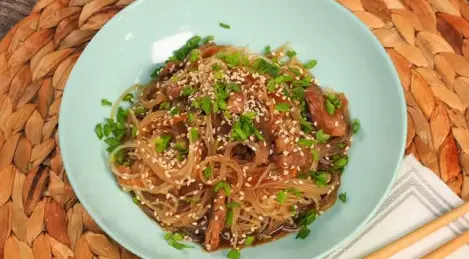
Funchoza with pork
Funchoza with pork is a Korean dish that is prepared very quickly from glass noodles with meat, vegetables, soy sauce and spices. Funchoza with pork is spicy and aromatic. The noodles become transparent during cooking and absorb not only the taste an
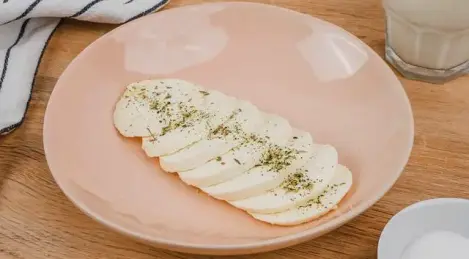
Adyghe cheese at home
Adyghe cheese is soft and tender. Moderately salty, aromatic and dense. You can cook many dishes of Caucasian cuisine with this cheese. You can also make this cheese at home, and do it without much difficulty.

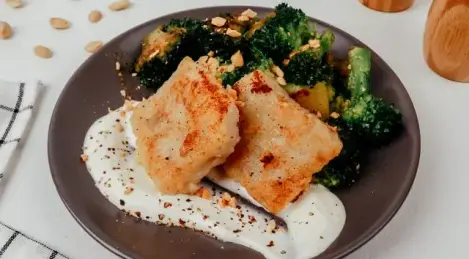
Fried pollock with broccoli
Pollock is one of the most popular fish in dietary cuisine. Pollock fillet contains many useful elements, vitamins, phosphorus and is low in calories. Broccoli and pollock go well together. For maximum benefit and to preserve the beneficial propertie